
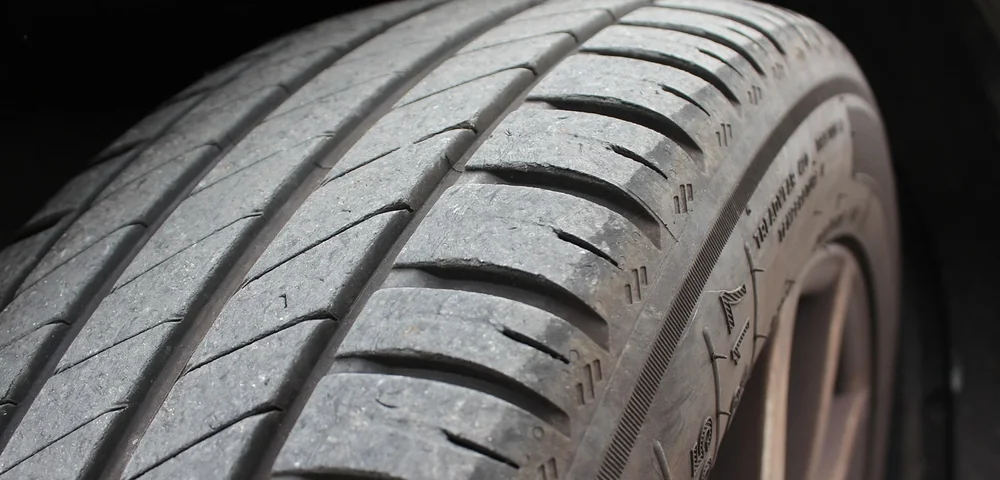
The best tires for a Ford F-150 depend almost entirely on how the truck is actually used, not just the trim badge on the tailgate. A work-truck XL that never leaves pavement wants a different tire than a Tremor that spends weekends on forest service roads, and a Lariat that tows a camper every summer needs a different load rating than either. As a starting point: most highway-driven F-150s do best on a all-season or highway all-terrain tire in a Load Range SL or XL, off-road-oriented trims (Tremor, FX4, Raptor) benefit from a true all-terrain or hybrid-terrain tire, and anyone towing regularly should prioritize load range and a reinforced sidewall over tread pattern alone.

Why Tire Choice Matters for the F-150
The F-150 spans an enormous range of use cases inside a single model line. A base 2WD SuperCab with a small V6 weighs and drives nothing like a 4×4 SuperCrew Platinum with a max tow package, yet both wear the same nameplate. Tires are the only touchpoint between a 5,000-plus-pound truck and the road, and on a vehicle this heavy, tire choice affects braking distance, fuel economy, ride quality, and how the truck behaves when it’s loaded down with a payload or a trailer.
Load rating matters more here than on a car or crossover. An underrated tire on a loaded truck runs hotter, wears the shoulders faster, and in worst cases can be pushed past its safe operating pressure. Ford’s door-jamb sticker lists the OE tire size and the recommended cold inflation pressure for front and rear — that number is calculated for the vehicle’s GVWR, so replacement tires should match or exceed the load index printed there, even if you switch brands or tread patterns.
Tread design changes the equation too. All-season tires prioritize quiet ride and even wear over years of highway miles, all-terrain tires trade some of that comfort and fuel economy for traction on gravel, mud, and snow-covered dirt, and towing-focused tires emphasize sidewall stiffness and heat resistance over outright grip. Picking the wrong category isn’t just a comfort issue — an underbuilt tire on a truck that regularly tows near its rating will wear unevenly and can overheat on long grades.
Best All-Season Tires
For F-150s that live mostly on pavement — commuting, errands, occasional light hauling — a quality all-season tire is the right call. These tires are tuned for tread life, wet traction, and cabin noise, and they typically return better fuel economy than an all-terrain design because of lower rolling resistance and a less aggressive void ratio in the tread.
Look for a highway-terrain or touring all-season tire specifically rated for light trucks (LT-metric or a P-metric with an adequate load index), such as those in the Michelin Defender LTX M/S, Bridgestone Dueler H/T, or Goodyear Wrangler Fortitude HT families. These tend to deliver 60,000–70,000 miles of tread life under normal conditions, quiet highway manners, and predictable wet-weather grip. The tradeoff is limited off-pavement capability — packed snow and light gravel are fine, but deep mud or loose rock will overwhelm the tread quickly.
A common mistake here is buying a passenger-car all-season tire sized to fit rather than a light-truck-rated tire built for the F-150’s weight. Passenger tires often carry a lower load index and softer sidewall construction, which can lead to premature wear or a wallowy ride once the bed has any real weight in it. If your F-150 ever tows even occasionally or carries tools and equipment, stick to LT-rated or a Load Range XL P-metric option rather than the cheapest same-size passenger tire.
Best All-Terrain Tires for Off-Road Trims
Tremor, FX4, and Raptor buyers usually chose those trims because they intend to use them off-pavement at least some of the time, and the OE tires reflect that. All-terrain tires use a more open tread block pattern with larger voids to shed mud and dirt, plus reinforced sidewalls to resist punctures from rocks and ruts.
Popular choices in this segment include the BFGoodrich All-Terrain T/A KO2, Falken Wildpeak A/T3W, Goodyear Wrangler Territory A/T, and Toyo Open Country A/T III. These tires generally sacrifice a few miles per gallon and add some road noise compared to a highway tire, but they hold up far better to gravel, washboard roads, and light rock crawling, and most carry a severe snow service (three-peak mountain snowflake) rating for genuine winter traction.
For Raptor owners specifically, tire choice needs to account for higher speeds and more aggressive suspension travel — a tire with a stronger sidewall construction and a speed rating that matches the truck’s capability is worth the extra cost. FX4 and Tremor owners doing lighter-duty trail work can often get away with a more street-friendly all-terrain that balances noise and wear against off-road grip. Reading up on how open vs. closed shoulder tread designs affect stability and self-cleaning is useful background before choosing a specific all-terrain model, since shoulder design has a real effect on mud-shedding and dry-pavement noise.
Best Highway/Touring Tires for Daily Drivers
Some F-150 owners bought the truck for capability they rarely use — payload for a boat once a summer, but otherwise a daily commuter. For this group, a highway or touring tire that prioritizes comfort and quiet is often the better fit than either an all-season workhorse or an all-terrain tire.
Touring-oriented light truck tires like the Michelin LTX M/S2, Continental TerrainContact H/T, and Bridgestone Alenza A/S are tuned specifically for ride comfort, cabin noise, and highway tracking, with tread compounds optimized for tread life over years of daily driving rather than off-road grip. These are a strong match for SuperCrew Lariat, King Ranch, or Platinum trims that spend the vast majority of their life on paved roads and want the truck to ride more like a large sedan than a work vehicle.
The main thing to weigh against a pure touring tire is towing frequency — most touring tires carry Load Range SL or a modest XL rating rather than the beefier constructions found on all-terrain or dedicated LT tires, so if towing needs increase down the road, a re-evaluation may be needed. Noise is a legitimate differentiator in this category; if in-cabin quiet is the priority, it’s worth cross-referencing options against a quiet tire buying guide before committing, since decibel ratings vary more between models than most shoppers expect.
Best Tires for Towing & Heavy Payloads
Regular towing changes the tire equation more than any other use case. A loaded trailer shifts weight onto the rear axle, increases heat buildup in the tires, and demands more from the sidewall’s structural integrity. This is where Load Range and Ply Rating become the deciding factor over tread pattern.
Load Range E tires (10-ply equivalent) are common upgrades for F-150s that tow at or near their max rating, offering higher air pressure capacity and a stiffer carcass that resists sidewall flex under load. Options like the Michelin LTX M/S2 in LT-metric sizing, Goodyear Wrangler SR-A, or Cooper Discoverer AT3 4S in Load Range E variants are frequently chosen for this purpose. A stiffer tire does trade away a bit of unloaded ride comfort, which is a fair trade for a truck that’s regularly working.
The most common mistake in this category is running a passenger-rated (P-metric) tire or a Load Range SL tire on a truck that tows heavy trailers regularly — the tire may hold air fine empty, but under load it can run hot enough to shorten its life dramatically or, in extreme cases, fail. Always cross-check the tire’s max load rating at its rated pressure against your truck’s GVWR and typical loaded weight, not just the tire’s advertised size. If you’re comparing this decision against a similar full-size truck, the considerations are much the same as those outlined in guides on the Ram 1500 and Silverado 1500, since all three trucks share similar payload and towing tire logic.
Tire Size by Trim (Regular Cab to Raptor)
Ford spreads a wide range of factory tire sizes across the F-150 lineup depending on cab configuration, wheel package, and off-road equipment. The table below covers commonly equipped sizes by trim tier — always confirm against the specific door-jamb sticker before ordering, since wheel package options can shift the factory size within a trim.
| Trim/Configuration | Typical Factory Tire Size | Notes |
|---|---|---|
| XL Regular/SuperCab, base wheels | P265/70R17 or P225/70R17 | Work-truck focused, lowest cost replacements |
| XLT SuperCrew | P265/65R18 or P275/65R18 | Most common all-season replacement segment |
| Lariat/King Ranch | P275/55R20 | Touring/highway tire sweet spot |
| Platinum | P275/55R20 or 275/45R22 (optional wheels) | Low-profile 22s limit all-terrain options |
| Tremor/FX4 Off-Road | LT275/65R18 | All-terrain, Load Range E common |
| Raptor | LT315/70R17 or 35×11.50R17 | Dedicated all-terrain/hybrid-terrain only |
Trucks with 22-inch wheel packages have the fewest all-terrain options simply because most off-road tread patterns aren’t manufactured in low-profile, large-diameter fitments — if serious off-pavement use is planned, downsizing to a factory-optional 18-inch or 20-inch wheel with a taller sidewall opens up far more tire choices.
Final Recommendations
For most F-150 owners, the decision comes down to three honest questions: how much of the truck’s life is spent off pavement, how often it tows near capacity, and how much weight is placed on ride comfort versus rugged capability. A commuter-focused Lariat or Platinum is well served by a touring or all-season highway tire. A Tremor or FX4 that actually sees trail use deserves a genuine all-terrain tire with a 3PMSF winter rating. A truck used for regular towing should be sized up to Load Range E regardless of trim, and a Raptor should stay within its factory-approved all-terrain or hybrid-terrain options given its unique suspension travel and speed capability.
Whatever category fits, match or exceed the OE load index, keep front and rear inflation pressures matched to the door-jamb spec (which changes under load on many trims), and rotate on the manufacturer’s recommended interval to get even wear across all four corners. Comparing specific brand construction quality, such as in a Toyo tire review or a Bridgestone tire review, can help narrow the final choice once the category is settled.
Frequently Asked Questions
Can I put all-terrain tires on a non-off-road F-150 trim?
Yes, as long as the size matches your factory wheel diameter and the load rating meets or exceeds your truck’s requirement. Expect slightly more road noise and a small fuel economy penalty compared to the factory all-season tire.
Do I need Load Range E tires if I only tow occasionally?
Not necessarily. Load Range E is most valuable for frequent, heavy towing. Occasional light towing within the truck’s rating is usually fine on a quality Load Range SL or XL tire, provided pressures are adjusted per the door-jamb sticker when loaded.
What tire size should I avoid on a Raptor?
Avoid downsizing below the factory-recommended diameter or width, since the Raptor’s suspension geometry and speed capability are tuned around its specific tire size. Stick to approved all-terrain or hybrid-terrain options in the factory size range.
How often should F-150 tires be rotated?
Every 5,000 to 7,500 miles is a reasonable interval for most F-150 trims, though trucks that tow heavily or run aggressive all-terrain tread may benefit from more frequent rotation to even out wear.

1 thought on “Best Tires for Ford F-150: Top Picks by Trim & Use Case”