
The best tires for a Subaru Outback are all-season touring tires with three-peak-mountain-snowflake (3PMSF) ratings for most owners, all-terrain tires for those who camp or gravel-road regularly, and dedicated winter tires for anyone in heavy snow states. Because the Outback runs Subaru’s Symmetrical AWD system, tire choice matters more than on a typical crossover — mismatched tread depth or tire diameter across axles can damage the drivetrain. Below is a full breakdown of Outback tire needs, the top picks by category, OEM sizing by trim, and a final buying recommendation.

Outback Tire Needs (AWD Considerations)
Subaru’s AWD system continuously compares rotational speed between the front and rear axles. If tire diameters differ by more than roughly 1/4 inch (about a 3% difference in circumference), the system interprets that as wheel slip and can place abnormal strain on the transmission and center differential. This is why Subaru — and most independent Subaru mechanics — insist that all four tires be replaced at the same time, from the same model, with matching tread depth. Replacing just two tires is a common and costly mistake on any Outback.
Beyond diameter matching, tread depth should stay within 2/32″ across all four tires. If one tire is significantly more worn than the others, it’s smaller in rolling diameter and creates the same AWD conflict. Rotating tires every 5,000–7,500 miles keeps wear even and extends the life of the whole set — see this tire rotation guide for interval specifics, and this piece on rotating every 10,000 miles if you’re deciding between schedules.
Load rating and speed rating also matter less than people assume for daily driving, but stick with the factory-listed rating or higher. Most Outbacks (Base through Limited) run a standard load, H- or V-speed-rated tire; the Wilderness trim benefits from a more aggressive, off-road-biased casing.
Best All-Season Tires
All-season tires are the correct default for most Outback owners — commuters in moderate climates who see occasional light snow but not sustained winter conditions. A good all-season tire for the Outback balances a quiet, comfortable ride with dependable wet and light-snow grip, since the Outback is primarily a family and road-trip vehicle rather than a performance crossover.
Look for touring all-season tires with a tread compound designed for year-round temperature swings (avoid tires optimized purely for summer grip, since they harden and lose traction below roughly 45°F). Tires in this category typically carry a 60,000–70,000 mile treadwear warranty, moderate rolling resistance for fuel economy, and a symmetric tread pattern that rotates easily.
Common mistakes: buying a tire based on price alone without checking its winter traction rating, and ignoring UTQG treadwear grades when comparing options — a tire rated 400 will generally outlast one rated 300, even from the same brand. Also check that the tire carries at least a basic snow rating (a mountain/snowflake symbol on the sidewall) if you see winter weather more than a few days a year; standard all-season tires without that symbol are increasingly rated for three-season use only.
Best All-Terrain for Overlanding
Owners who take their Outback (especially the Wilderness trim) on gravel forest roads, moderate off-road trails, or frequent camping trips should consider a light all-terrain tire rather than a standard all-season. All-terrain tires use a more open tread block pattern with larger voids to shed mud and gravel, plus a tougher sidewall compound resistant to sidewall cuts from rocks and sticks.
The trade-off is real: all-terrain tires are louder on pavement, often add a few pounds of unsprung rotating mass, and can reduce fuel economy by roughly 1–2 mpg compared to a touring all-season. They also typically carry a shorter treadwear warranty. That’s an acceptable trade for Wilderness owners who genuinely use the extra ground clearance and off-road gearing, but it’s overkill for someone who never leaves pavement.
When shopping, favor all-terrain tires specifically sized for crossover/SUV fitments rather than truck-derived all-terrains, since truck-oriented all-terrains are often too stiff and heavy for the Outback’s unibody chassis and can feel harsh and noisy. If you want ideas on how other AWD crossovers in the Subaru family handle this trade-off, the guide to tires for the Subaru Forester covers similar terrain-vs-comfort decisions.
Best Winter/Snow Options
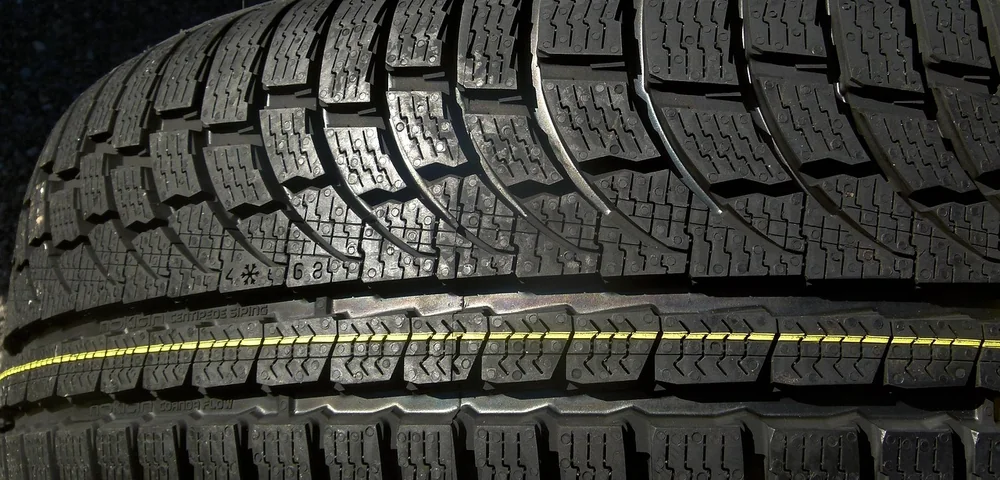
If you live somewhere with sustained sub-freezing temperatures and regular snowfall, a dedicated winter tire outperforms even the best all-season or all-terrain tire. Winter tire rubber compounds stay flexible in cold temperatures, and their tread patterns include thousands of small sipes that bite into snow and ice — something all-season tires simply cannot replicate regardless of tread pattern.
The practical downside is that winter tires wear quickly in warm weather and have reduced dry-road grip and higher stopping distances above about 45°F, so they should be swapped seasonally, not run year-round. This means budgeting for a second set of wheels or paying for mounting/dismounting twice a year.
For Outback owners, buy winter tires as a full set of four, matched exactly like your all-season set, and store the off-season set properly — heat, UV, and ozone degrade rubber even when tires aren’t rolling. See this guide on how long tires can be stored before they go bad for storage tips that preserve tread life between seasons. A common mistake is running winter tires on only the front or rear axle — on an AWD Outback this creates a traction imbalance that can make the vehicle less predictable in a slide, not more.
Best Quiet Touring Tires
Outback owners frequently cite cabin noise as their top tire complaint, since the vehicle’s tall ride height and large glass area amplify road roar. Quiet touring tires address this with denser rubber compounds, foam noise-absorption layers inside the tire, and staggered tread block pitch designed to scatter sound frequencies rather than create a single resonant tone.
Road noise on any tire increases as tread wears unevenly or as air pressure drifts from spec, so quiet tire selection only pays off if paired with proper maintenance. Underinflated tires flex more and generate more noise and heat; overinflated tires transmit more road impact harshness into the cabin. Check pressure monthly against the door-jamb sticker, not the tire sidewall’s max rating.
If your Outback has developed noise that a quiet tire won’t fix — a rhythmic hum that changes with speed but not with acceleration, for instance — the issue is more likely wheel balance or bearing wear than tread design. Review the symptoms of unbalanced tires and how unbalanced tires can cause pulling before assuming a new tire purchase will solve a noise complaint. For a broader roundup of quiet-riding options across vehicle types, see the quietest tires guide.
OEM Sizes by Trim
Outback tire sizing has varied across generations, so always confirm your exact size from the door-jamb placard or sidewall rather than assuming based on trim name alone — running changes and mid-cycle updates can shift sizing within a model year.
| Trim | Typical Wheel Size | Common Tire Size |
|---|---|---|
| Base / Premium | 17-18 inch | 225/65R17 |
| Onyx Edition | 18 inch | 225/60R18 |
| Limited | 18 inch | 225/60R18 |
| Touring | 18 inch | 225/60R18 |
| Wilderness | 17 inch | 225/65R17 (all-terrain biased) |
The Wilderness trim’s slightly smaller 17-inch wheel with a taller sidewall is intentional — it gives more sidewall flex and impact absorption for off-road use compared to the larger, lower-profile wheels on Limited and Touring trims. If you’re considering a plus-size upgrade for looks, know that lower-profile tires generally wear faster and ride harsher; the guide on whether low-profile tires wear out faster explains why before you size up. And whatever size you land on, learn to read a tire sidewall so you can verify load index and speed rating match or exceed factory spec.
Final Recommendations
For the majority of Outback owners in mixed climates without heavy off-roading, a touring all-season tire with a 3PMSF winter rating is the smartest all-around choice — it covers daily driving, light snow, and highway trips without major compromises. Budget for full replacement of all four tires at once, and rotate on schedule to keep wear even across the AWD system.
Wilderness owners who actually use their vehicle’s off-road capability should step up to a crossover-specific all-terrain tire, accepting a bit more road noise and slightly reduced fuel economy in exchange for durability and traction on gravel and light trails. Owners in true winter climates — regular snow, ice, sustained sub-freezing temps — should run a dedicated winter set on separate wheels rather than relying on an all-season tire’s snowflake rating alone.
Whichever category you land in, buy tires in full matched sets, check the manufacture date before purchase (see how old new tires should be when you buy them), and keep pressure and rotation on schedule. That combination protects both your tire investment and your Outback’s AWD hardware over the long run.
Frequently Asked Questions
Can I replace just two tires on my Subaru Outback?
It’s not recommended. Subaru’s AWD system requires matched tire diameter and tread depth across all four tires. Mixing new and worn tires, even on the same axle, can create speed differentials that strain the drivetrain over time. If two tires are damaged, most Subaru dealers recommend replacing all four or, at minimum, matching the closest tread depth possible.
Do I need snow tires if my Outback already has AWD?
AWD helps with acceleration traction but does nothing to improve braking or cornering grip on snow and ice — that’s entirely a function of the tire. In sustained winter conditions, dedicated winter tires stop and turn significantly better than all-season tires, AWD or not.
What tire size should I avoid on my Outback?
Avoid sizing that changes the overall tire diameter by more than about 3% from factory spec, since this affects speedometer accuracy and can trigger the same AWD wear issues as mismatched tires. Stick close to the OEM diameter even if you change wheel width or profile.
How often should I rotate tires on an Outback?
Every 5,000 to 7,500 miles is a safe interval for most driving conditions, and it’s especially important on AWD vehicles to prevent uneven wear that can stress the drivetrain. See this tire rotation guide for more detail.

1 thought on “Best Tires for Subaru Outback: Top Picks for Every Terrain”