
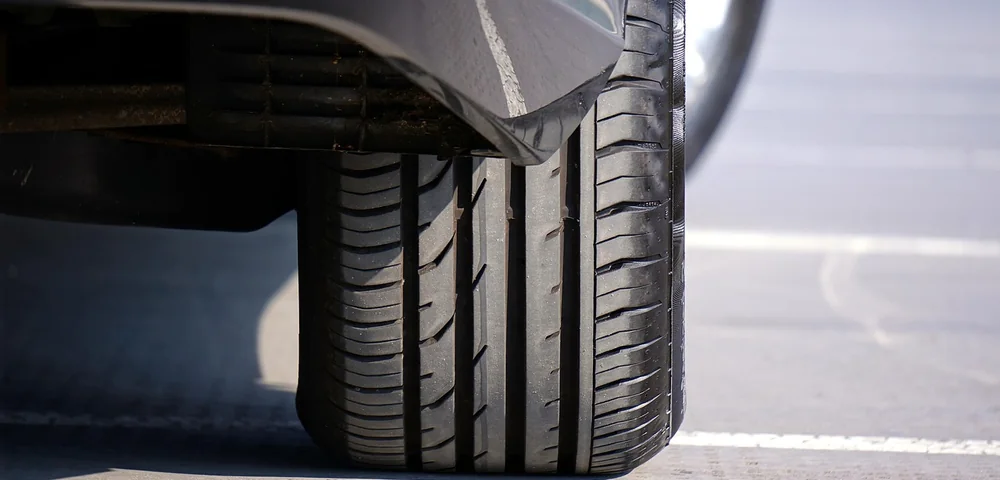
Sailun is one of the better budget tire brands you can buy, and for most daily drivers the answer to “are Sailun tires good?” is yes — as long as you’re shopping in the value segment and not expecting flagship-level grip or a 80,000-mile guarantee that actually plays out. Sailun trades a little bit of peak performance for a lot of price relief, and it does so more consistently than most of its budget-tier competitors.

Who Makes Sailun and Where They Sit in the Market
Sailun Group is a large Chinese tire manufacturer that has been producing passenger, light truck, and commercial tires since the late 1990s. Unlike some budget brands that simply license a name and outsource production to whichever factory is cheapest that quarter, Sailun owns and operates its own manufacturing plants, including a facility in Vietnam that was built partly to sidestep U.S. import tariffs on Chinese-made tires. That matters because consistent, in-house production tends to mean more consistent quality control from batch to batch — a real weakness for many off-brand budget tires.
Sailun positions itself squarely in the value segment, competing with brands like Sentury, Nankang, Laufenn, and Kelly rather than premium names like Michelin or Bridgestone. It doesn’t try to out-engineer the majors; it tries to deliver 80-90% of the performance at 50-60% of the price, and on most models it succeeds at that specific goal.
Sailun Tire Range: Main Lines and What Each Is For
Sailun’s lineup is organized by use case rather than by trim level, which makes shopping fairly straightforward once you know what you’re looking at.
- Atrezzo Series — the core all-season passenger car lineup. The Atrezzo SVA-1 and SVA-2 are the touring-oriented models built for sedans and crossovers, prioritizing comfort and mileage over sportiness.
- Terramax Series — Sailun’s light truck and SUV lineup, covering all-terrain (Terramax A/T), highway terrain (Terramax H/T), and commercial traction (Terramax CVR) applications. This is where Sailun has built its strongest reputation, particularly among fleet and work-truck buyers.
- Ino Series — winter-specific tires designed for genuine cold-weather grip, including studdable options for regions that allow them.
- Regional/commercial lines — Sailun also produces truck, bus, and agricultural tires sold mostly through commercial channels rather than retail.
For the average passenger car or crossover owner, the Atrezzo and Terramax families are what you’ll actually encounter at a tire shop, and they cover the vast majority of everyday driving needs from commuting to light towing.
Performance: Dry, Wet and Winter Grip
In dry conditions, Sailun’s touring tires deliver adequate, unremarkable grip — enough for confident everyday cornering and braking but noticeably softer than a performance all-season from a premium brand. Steering response on the Atrezzo line is a step behind tires like Continental or Michelin, but it’s comparable to or better than many direct budget competitors.
Wet performance is where Sailun tends to show its value-tire compromises most clearly. Hydroplaning resistance and wet braking distances on the Atrezzo SVA-2 are acceptable for normal rain but fall off at higher speeds or standing water, so drivers in consistently wet climates should moderate speed more than they would on a premium touring tire. This is a common pattern across the budget segment — rubber compounds tuned for tread life and low rolling resistance rarely excel at wet grip simultaneously.
Winter capability splits sharply by product line. The all-season Atrezzo tires perform like most all-seasons: fine on cold, dry roads but unreliable once snow or ice enters the picture. The dedicated Ino winter line, however, is a genuinely capable snow tire with a compound designed to stay flexible in sub-freezing temperatures, giving noticeably better traction than any all-season Sailun makes. If you drive somewhere with real winters, buy the Ino, not the Atrezzo.
Tread Life, Warranty and Value for Money
Sailun backs most of its passenger and light truck lines with treadwear warranties, typically in the 50,000 to 65,000-mile range depending on the specific model, which is respectable for the price bracket. Real-world tread life generally lines up reasonably well with those numbers for drivers who rotate tires on schedule and keep alignment in check, though heavier vehicles and aggressive driving will shorten that considerably.
The value case for Sailun is straightforward: you’re often paying 30-50% less than a comparable premium touring or all-terrain tire while getting roughly 70-85% of the tread life and performance. For budget-conscious buyers replacing tires on an older vehicle, or for fleet operators running multiple trucks, that math works out favorably. It’s worth reading the fine print on any treadwear warranty claim process, since prorated mileage warranties rarely pay out as generously as the sticker number implies — our tire warranty guide breaks down how those claims actually work.
Road Noise and Ride Comfort
Ride comfort on Sailun’s touring models is generally good, with the Atrezzo SVA-2 in particular tuned for a soft, absorbent ride over broken pavement — a reasonable priority for the commuter sedans and crossovers it’s typically fitted to. Impact harshness over sharp expansion joints and potholes is well controlled for the price point.
Noise is a mixed bag depending on the model. The touring lines are acceptably quiet at highway speed, competitive with other budget-tier all-seasons, though they won’t match the cabin hush of a premium tire with advanced noise-cancelling foam or optimized tread pitch sequencing. The Terramax all-terrain tires, as expected for the category, produce more noticeable tread hum, especially as the tires wear and the aggressive tread pattern opens up. If road noise is a major concern, it’s worth comparing against quieter alternatives covered in our Yokohama tire review or checking general diagnostic tips in our guide to unbalanced tire symptoms, since uneven wear can mimic or worsen tire noise over time.
How Sailun Compares with Rivals at the Same Price
| Brand | Strength | Weakness |
|---|---|---|
| Sailun | Consistent manufacturing, strong A/T line, decent warranties | Wet grip lags at higher speeds |
| Sentury | Aggressive pricing | Less consistent quality control |
| Nankang | Good performance-oriented budget options | Shorter tread life on some models |
| Laufenn | Backed by Hankook engineering | Narrower size/model range |
| Kumho | Better wet and winter performance | Higher price bracket |
Within its direct price bracket, Sailun generally holds its own or wins on durability and warranty terms, while brands a notch up like Kumho or Yokohama pull ahead on wet and winter grip at a proportionally higher cost. If you’re cross-shopping, it’s also worth reading how load ratings and ply construction affect real-world durability — our tire ply rating guide and load range guide explain why two similarly priced tires can hold up very differently under load.
Who Should Buy Sailun Tires — and Who Shouldn’t
Sailun makes sense for daily commuters, older vehicles that don’t justify premium tire spending, light-duty truck and SUV owners wanting a capable all-terrain without a luxury price tag, and fleet or budget-conscious buyers replacing tires on a schedule rather than chasing peak performance. The Terramax A/T in particular has earned a solid reputation among truck owners who want real off-road capability without paying BFGoodrich or Goodyear pricing.
Sailun is a poor fit for drivers who prioritize wet-weather safety margins above all else, anyone expecting all-season tires to double as serious winter tires, and performance-oriented drivers who want sharp, confidence-inspiring steering feedback — for that, a step up to Toyo or Bridgestone territory is worth the extra cost. Before buying any replacement tire, double-check your vehicle’s required size and speed rating on the sidewall — our guide to reading a tire sidewall covers exactly what those codes mean, and our speed rating explainer covers why downgrading that number can affect handling and even insurance claims.
Frequently Asked Questions
Are Sailun tires safe?
Yes. Sailun tires meet the same DOT safety standards as any tire sold in the U.S. and undergo the same regulatory testing. “Safe” and “top-tier performance” aren’t the same thing, though — Sailun tires are safe for normal driving conditions but offer a smaller margin in heavy rain or snow compared to premium all-season or dedicated winter tires.
How long do Sailun tires last?
Most passenger and light truck Sailun models carry treadwear warranties between 50,000 and 65,000 miles, and real-world results generally track close to that range with regular rotation, correct inflation, and reasonable alignment.
Is Sailun a good brand for SUVs and trucks?
Yes, particularly the Terramax series, which has built a solid reputation for durability and off-road traction at a price well below major all-terrain brands.
Do Sailun tires perform well in snow?
Only the dedicated Ino winter line should be trusted for serious snow and ice. The all-season Atrezzo and Terramax lines handle light winter conditions but shouldn’t be relied on for harsh climates.