
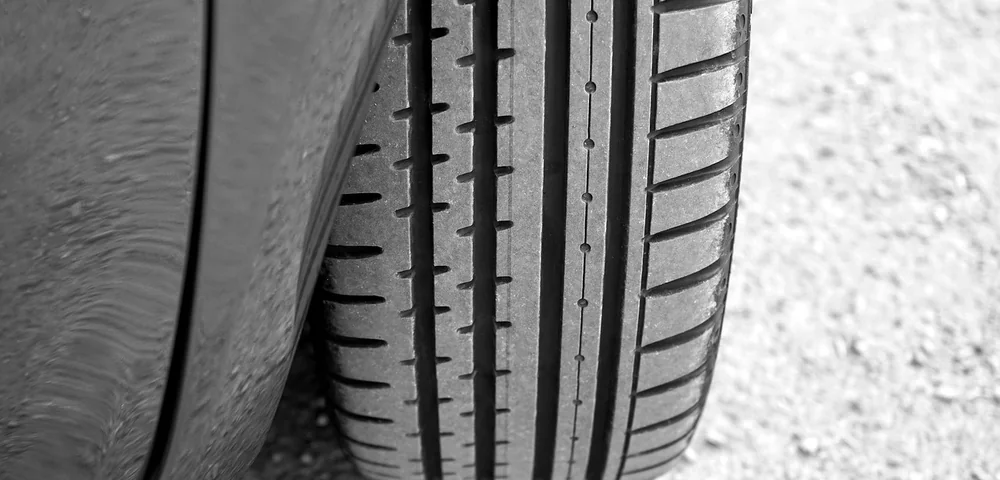
Nitto makes solid, style-forward tires that punch above their price point in dry grip, aggressive tread aesthetics, and truck/SUV fitment options — but they trail premium brands in wet traction, winter capability, and long-term tread life. That’s the short answer. Below is the full breakdown of where Nitto fits, which lines make sense for which driver, and where the trade-offs actually show up on the road.

Who Makes Nitto and Where They Sit in the Market
Nitto Tire is a wholly owned subsidiary of Toyo Tire Corporation, the same Japanese manufacturer behind the Toyo brand. While Toyo positions itself as a broad-line, all-purpose tire maker, Nitto was built specifically to chase the enthusiast market: trucks, Jeeps, SUVs, and performance cars running larger wheels and more aggressive stances. The company’s U.S. operations are headquartered in Cypress, California, and its marketing has always leaned into motorsport, off-roading, and custom wheel culture rather than family-sedan practicality.
In terms of market tier, Nitto sits in the upper-middle range — priced below flagship premium brands like Michelin, Bridgestone, and Continental, but above true budget names like Kenda, Federal, or Sumitomo. You’re paying a bit more than a budget tire for better materials and tread engineering, but you’re not paying full premium-brand money. If you want context on how Toyo itself performs, it’s worth reading the Toyo Tires Review since the two brands share some engineering DNA even though they’re marketed to different buyers.
Nitto Tire Range: Main Lines and What Each Is For
Nitto’s lineup is built around a handful of clear use cases rather than dozens of overlapping SKUs, which actually makes shopping easier once you know what each line is for.
| Line | Category | Best For |
|---|---|---|
| Ridge Grappler | Hybrid all-terrain | Trucks/SUVs wanting an A/T look with more on-road manners than a mud tire |
| Recon Grappler A/T | All-terrain | Daily-driven trucks needing balanced on/off-road use |
| Terra Grappler G2 | All-terrain | Highway-biased SUV/truck owners who rarely leave pavement |
| Trail Grappler M/T | Mud-terrain | Serious off-roaders prioritizing traction over comfort |
| NT555 G2 | Ultra-high-performance summer | Sports cars and tuned sedans chasing dry grip |
| Motivo | Performance all-season | Daily-driven sport sedans/coupes wanting year-round grip |
| INVO | Grand touring performance | Comfort-oriented performance sedans |
The truck-focused Grappler family is Nitto’s bread and butter and where most of its brand reputation was built. The performance side (NT555 G2, Motivo, INVO) is smaller but competitive with UHP offerings from other mid-tier brands. Before buying any of these, double-check load range and size specifics using the sidewall — our guide to reading a tire sidewall walks through exactly what those codes mean.
Performance: Dry, Wet and Winter Grip
Dry performance is Nitto’s strongest suit. The NT555 G2 and Motivo both deliver confident, predictable grip in dry conditions, with tread compounds tuned for responsiveness rather than outright longevity — a common trade-off in this segment. On the truck side, the Ridge Grappler and Recon Grappler hold up well on dry pavement despite their aggressive void-heavy tread patterns.
Wet performance is more of a mixed bag. Nitto’s on-road performance lines handle wet braking and cornering adequately, but they generally don’t match the wet-weather composite scores of Continental or Michelin equivalents. On the off-road side, aggressive tread voids on the Trail Grappler and Mud Grappler actually help evacuate water reasonably well, but hydroplaning resistance drops off at higher highway speeds due to tread block flex.
Winter grip is the weak point across most of the lineup. Only a handful of Nitto’s hybrid A/T tires carry the severe snow service (3PMSF) rating, and none of the performance summer lines are winter-capable at all. A common mistake buyers make is assuming an aggressive-looking all-terrain tire will handle snow like a dedicated winter tire — it won’t. If you live somewhere with real winters, plan on a seasonal swap rather than relying on Nitto’s A/T tread alone.
Tread Life, Warranty and Value for Money
Nitto’s treadwear warranties are modest by industry standards. Passenger and performance lines like the Motivo and INVO typically carry warranties in the 45,000–65,000 mile range, which is reasonable but not class-leading. Aggressive off-road tires like the Trail Grappler and Mud Grappler carry no mileage warranty at all — standard practice for mud-terrain tires industry-wide, since the soft, grippy compounds needed for off-road traction wear faster on pavement.
Real-world tread life tends to land in the middle of the pack: better than budget-tier competitors but shy of what you’d get from a longevity-focused Michelin Defender or Bridgestone Ecopia. If tread life is your top priority, Nitto probably isn’t the brand to chase. If you want the fine print on what treadwear warranties actually cover (and what voids them), our tire warranty guide is worth a read before you buy any set.
Overall value is solid rather than exceptional — you’re getting above-average grip and tread engineering for a price that undercuts premium brands, but you’re trading off some longevity and all-weather versatility to get there.
Road Noise and Ride Comfort
Noise levels vary dramatically depending on which Nitto line you choose, which is worth understanding before you buy based on looks alone. The Terra Grappler G2 and Recon Grappler are tuned to be relatively quiet for all-terrain tires, using more continuous tread patterns than true mud tires. The Trail Grappler and Mud Grappler, by contrast, are loud by design — their large, aggressive tread blocks generate a noticeable hum and drone at highway speed, which is the trade-off for off-road bite.
On the performance side, the Motivo and INVO are tuned more like grand-touring tires, with noticeably quieter cabins and a more compliant ride than the NT555 G2, which stiffens things up in exchange for cornering precision. A common buyer mistake is choosing a mud-terrain Grappler for a truck that’s almost entirely highway-driven, then being surprised by the constant road noise on long trips — if you’re not regularly off-roading, the hybrid Ridge Grappler or highway-biased Terra Grappler G2 will be a far more livable daily choice.
How Nitto Compares with Rivals at the Same Price
At a similar price point, Nitto competes most directly with brands like Toyo, General, Cooper, Falken, and Nexen rather than premium names like Michelin or Bridgestone.
| Brand | Strength vs Nitto | Weakness vs Nitto |
|---|---|---|
| Toyo | Slightly better all-around wet performance and longevity | Less aggressive styling, fewer tuner-oriented options |
| Continental | Better wet/winter grip and refinement | Higher price, fewer off-road-focused lines |
| General/Cooper | Longer treadwear warranties | Less aggressive dry performance |
| Falken/Nexen | Comparable pricing and off-road range | Slightly less brand recognition in tuner circles |
For a deeper look at how mid-tier brands stack up against each other in this same price bracket, the Kumho vs Goodyear comparison and General Tire vs Cooper Tire breakdown are useful reference points, since the value trade-offs discussed there mirror what you’ll find weighing Nitto against similarly priced competitors.
Who Should Buy Nitto Tires — and Who Shouldn’t
Nitto makes the most sense for truck and SUV owners who want aggressive tread looks without fully sacrificing on-road comfort, and for performance car owners who want strong dry grip without paying premium-brand prices. The brand is also popular with the wheel-and-tire fitment crowd — if you’re running staggered setups or larger aftermarket wheels, Nitto’s sizing range and tuner-friendly reputation are genuine advantages worth factoring in alongside your load range and speed rating requirements.
Nitto is a weaker fit if you live in a region with serious winters and need real snow traction, if you’re chasing maximum tread life for a high-mileage daily driver, or if a quiet, plush ride is your top priority. In those cases, a dedicated winter tire, a longevity-focused touring tire from Michelin or Bridgestone, or a quieter grand-touring option will serve you better than any Nitto line.
Frequently Asked Questions
Is Nitto a good tire brand?
Yes, for its intended use cases. Nitto is a well-regarded mid-to-upper-tier brand, particularly strong in truck/SUV all-terrain tires and dry-weather performance tires, though it’s not a leader in winter traction or maximum tread life.
Are Nitto tires better than Toyo?
Not universally — they’re different focuses under the same parent company. Toyo tends to edge out Nitto in wet performance and longevity, while Nitto leans harder into aggressive styling and dry grip for the enthusiast market.
Do Nitto tires last a long time?
Passenger and performance lines carry warranties roughly in the 45,000–65,000 mile range, which is average for the segment. Off-road-focused mud-terrain tires like the Trail Grappler carry no mileage warranty, which is standard for that tire category.
Are Nitto tires good in snow?
Only select hybrid all-terrain models carry a 3PMSF severe snow rating, and none of Nitto’s performance summer lines are winter-capable. Drivers in snowy climates should plan on dedicated winter tires rather than relying on an all-terrain tread.

1 thought on “Nitto Tire Review: Range, Performance and Value”