
Hercules tires are a solid pick if you want dependable, budget-friendly rubber without chasing a premium badge. They won’t out-corner a Michelin Pilot Sport or out-quiet a Continental TrueContact, but for daily commuting, work trucks, and family sedans, Hercules delivers predictable performance at a price that makes sense. The short answer: buy Hercules if your priority is value and adequate all-around performance; look elsewhere if you want class-leading wet grip, ultra-low noise, or a long tread warranty backed by a household name.
This review breaks down where Hercules fits in the market, what each of its major lines is built for, how it actually performs in the categories that matter, and who should (and shouldn’t) put these tires on their vehicle.

Who Makes Hercules and Where They Sit in the Market
Hercules Tire is a house brand owned by American Tire Distributors (ATD), one of the largest tire wholesalers in the United States. Unlike Michelin, Bridgestone, or Continental, Hercules doesn’t run its own manufacturing plants. Instead, ATD contracts production to established tire makers — historically including Cooper Tire — and sells the finished product under the Hercules name through independent tire shops nationwide.
This matters for two reasons. First, it explains the pricing: without the overhead of owning factories or funding motorsport programs, Hercules can price tires 15-30% below comparable premium-brand equivalents. Second, it explains the quality consistency — because production is outsourced to experienced manufacturers, Hercules tires generally meet solid baseline engineering standards even though the brand itself doesn’t do primary R&D.
Hercules sits squarely in the budget-to-mid-tier segment, competing with brands like Kelly, Cooper’s own value lines, and other ATD-adjacent labels rather than with premium players like Michelin or Bridgestone. If you’re the type of buyer who cross-shops brands such as Kenda, Laufenn, or Kelly, Hercules belongs on that same shortlist.
Hercules Tire Range: Main Lines and What Each Is For
Hercules covers most common vehicle categories with a handful of focused product lines rather than an overwhelming catalog. Knowing which line targets which use case prevents the most common buying mistake: picking a tire based on price alone and ending up with the wrong tread pattern for your driving conditions.
- Roadtour Connect A/S (or similar all-season touring lines): Aimed at sedans, coupes, and crossovers. Built for a quiet, comfortable ride with reasonable wet and dry grip. This is the volume seller for daily commuters.
- Terra Trac line: Covers CUV/SUV all-season and all-terrain needs, with variants for highway-focused crossover use and light off-road/all-terrain applications for trucks.
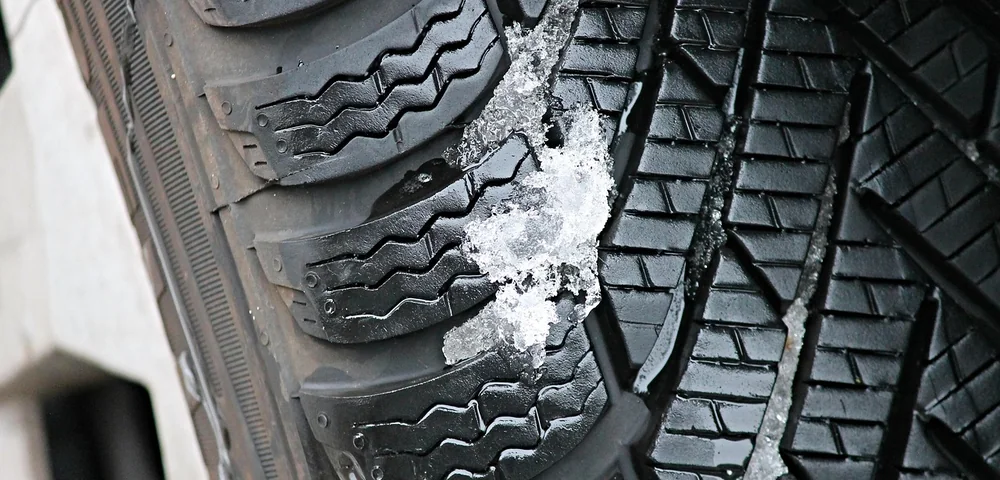
- Avalanche/Winter lines: Dedicated winter tires with softer compounds and aggressive siping for snow and ice traction, for buyers who swap to dedicated winter rubber each season.
- Strong Guard / commercial and LT lines: Load-range rated tires for pickups, vans, and light commercial vehicles that need higher weight capacity.
The common mistake here is buying a touring all-season Hercules tire for a truck that regularly hauls or tows near its rated capacity. Always check the load range and confirm it matches your vehicle’s door-jamb sticker, not just the size.
Performance: Dry, Wet and Winter Grip
On dry pavement, Hercules all-season tires perform about where you’d expect for the price tier: confident, linear steering response and adequate braking distances for normal commuting and highway driving. They won’t deliver the crisp turn-in of a performance-oriented tire, but they’re not vague or unpredictable either — a reasonable trade for the price.
Wet performance is the area where budget tires most often show their limits, and Hercules is no exception. Tread compounds on value-tier tires tend to be harder than premium silica-rich compounds, which means longer wet stopping distances and a bit more hydroplaning risk in standing water at highway speeds. In practical terms: expect stopping distances a few car lengths longer than a top-tier wet-performance tire like a Michelin or Continental. This isn’t dangerous under normal conditions, but it’s worth knowing if you drive frequently in heavy rain.
Winter capability depends entirely on which line you buy. Hercules’s dedicated winter tires perform competently in snow and slush thanks to aggressive siping and softer rubber, comparable to other mid-tier winter offerings. However, the all-season touring lines are all-season in name only when temperatures drop near freezing — like nearly all all-season tires, the compound stiffens and traction falls off. If you live somewhere with real winters, pair a dedicated winter Hercules (or any brand) rather than relying on the all-season line.
Tread Life, Warranty and Value for Money
Treadwear mileage warranties on Hercules touring tires typically fall in the 50,000 to 65,000-mile range depending on the specific model, which is competitive with other budget and mid-tier brands but noticeably shorter than premium touring tires that can claim 70,000-85,000 miles. Real-world tread life tends to track reasonably close to the warranty figure if you rotate every 5,000-7,000 miles and keep alignment in check — the two factors that most affect how evenly a tire wears regardless of brand.
Where Hercules genuinely earns its reputation is cost-per-mile. Because the upfront price is lower than premium brands, even a shorter tread warranty often works out to comparable or better value per mile driven. The math only holds up, though, if you actually get close to the warrantied mileage — irregular wear from skipped rotations or an out-of-spec alignment erases that advantage fast.
Before buying, it’s worth understanding exactly what a treadwear warranty does and doesn’t cover, since prorated replacement policies vary by retailer and by how the tire was maintained. Our complete guide to tire warranties walks through the fine print that most buyers skip.
Road Noise and Ride Comfort
Ride comfort on Hercules touring lines is a genuine strength for the price point. The sidewall construction tends to be relatively compliant, absorbing small road imperfections and expansion joints without transmitting harsh impacts into the cabin — a priority ATD clearly designed for, since the target buyer is a daily commuter, not a track-day enthusiast.
Road noise is a mixed bag. At lower speeds and around town, Hercules all-season tires are reasonably quiet. At sustained highway speeds (65-75 mph), some drivers report a noticeable increase in tread hum, particularly as the tire wears past the halfway point of its tread depth. This is common across budget tires generally — the tread block design that prioritizes wet evacuation and cost efficiency isn’t usually optimized with the same noise-cancelling pitch sequencing that premium touring tires use.
If in-cabin quiet is your top priority, it’s worth cross-shopping against known quiet performers before committing. If you already have a noise complaint on your current setup, our guide on unbalanced tire symptoms is useful for ruling out a balance or wear issue rather than assuming it’s simply the tire’s tread pattern.
How Hercules Compares with Rivals at the Same Price
To put Hercules in context, here’s how it stacks up against other brands commonly cross-shopped in the same budget-to-mid-tier price bracket.
| Brand | Dry/Wet Grip | Ride Comfort | Noise | Typical Warranty |
|---|---|---|---|---|
| Hercules | Adequate / Below average | Good | Fair, increases with wear | 50,000-65,000 mi |
| Kelly (Goodyear-owned budget line) | Adequate / Adequate | Good | Good | 50,000-60,000 mi |
| Kenda | Adequate / Adequate | Fair | Fair | 45,000-60,000 mi |
| Cooper (mainstream lines) | Good / Good | Good | Good | 60,000-70,000 mi |
The general pattern holds across this tier: none of these brands will match a premium tire’s wet braking or noise isolation, but they all deliver comfortable, livable performance for typical commuting. Hercules and Kelly are frequently cross-shopped because both are backed by major distribution networks (ATD and Goodyear, respectively) and both prioritize ride comfort over outright grip. If you want a brand with a longer track record of independent testing and a slightly higher performance ceiling, it’s worth reading our General Tire vs Cooper Tire comparison, since Cooper-family engineering has historically influenced several ATD house-brand products.
Who Should Buy Hercules Tires — and Who Shouldn’t
Hercules makes the most sense for:
- Daily commuters driving mostly highway and suburban roads who want a comfortable ride without premium pricing.
- Owners of older or lower-value vehicles where spending premium-tire money doesn’t make financial sense.
- Truck and van owners who need a specific load range and don’t want to pay a brand premium for capacity they can get more affordably.
- Budget-conscious buyers who rotate and maintain their tires diligently and will actually reach the mileage warranty.
Hercules is a weaker choice for:
- Drivers in regions with frequent heavy rain who prioritize best-in-class wet braking.
- Anyone chasing a near-silent cabin at highway speeds.
- Performance-oriented drivers who want sharp, high-speed cornering response — check our guide on tire speed ratings if you’re unsure whether your current tires even match your vehicle’s performance needs.
- Buyers who plan to keep a vehicle long-term and want the extra mileage cushion a longer-warranty premium tire provides.
Before you buy any replacement tire, double-check your existing size, load index, and speed rating directly off the sidewall rather than assuming last year’s tire is still the right spec — our guide to reading a tire sidewall covers exactly what each code means.
Frequently Asked Questions
Are Hercules tires a good brand?
Yes, within their category. Hercules is a legitimate budget-to-mid-tier brand backed by American Tire Distributors, offering dependable, comfortable tires at a lower price than premium brands. They’re not designed to compete with top-tier performance or luxury tires, but for everyday commuting they’re a sound value choice.
Who actually manufactures Hercules tires?
Hercules doesn’t own its own factories. Production is outsourced to established tire manufacturers under contract with American Tire Distributors, which has historically included partnerships tied to Cooper Tire’s manufacturing network.
How long do Hercules tires typically last?
Most Hercules all-season touring tires carry treadwear warranties in the 50,000 to 65,000-mile range. Actual mileage depends heavily on rotation habits, alignment, and driving style, just as it does with any tire brand.
Are Hercules tires good in snow?
Hercules’s dedicated winter line performs reasonably well in snow and slush thanks to a softer compound and aggressive siping. However, their standard all-season touring tires lose meaningful traction in freezing temperatures, just like nearly all all-season tires, so a dedicated winter tire is recommended for harsh winter climates.
Is Hercules cheaper than Michelin or Bridgestone?
Generally yes, often by a significant margin. The trade-off is a shorter treadwear warranty, softer wet-weather grip, and more highway noise as the tire wears, compared to premium brands like Michelin or Bridgestone.