
Cooper Tire, now part of Goodyear, has built its reputation on solid mid-range tires that don’t try to be everything to everyone. If you want the short answer: Cooper tires are a smart pick for drivers who want dependable all-season or light-truck performance at a price below the premium brands, without the harshness or short tread life you sometimes get from budget-only manufacturers. They’re not the tire to chase for ultra-high-performance handling or class-leading quiet ride, but for daily commuting, family SUVs, and trucks, they hit a real sweet spot. The rest of this review breaks down exactly where Cooper earns its keep and where it doesn’t.

Who Makes Cooper and Where They Sit in the Market
Cooper Tire & Rubber Company has been manufacturing tires in the United States since 1914, with a long-standing plant in Findlay, Ohio, plus additional manufacturing in Texas and international facilities. In 2021, Goodyear acquired Cooper Tire, folding it into the Goodyear portfolio as a distinct mid-tier brand rather than discontinuing it. That matters for buyers: Cooper still runs its own engineering and product lines, but it now benefits from Goodyear’s manufacturing scale, R&D resources, and dealer network.
In the broader tire market, Cooper occupies the space between budget import brands and premium names like Michelin or Bridgestone. It’s priced closer to mid-tier competitors such as Continental‘s value lines or Yokohama, and it’s consistently rated by independent testers as a step above pure budget brands in materials and construction. Cooper doesn’t chase headline-grabbing performance tires the way some competitors do; instead, it focuses on all-season passenger tires, light-truck and SUV tires, and a strong off-road/all-terrain lineup that punches above its price point.
Cooper Tire Range: Main Lines and What Each Is For
Cooper’s lineup is organized fairly logically by vehicle type and use case, which makes shopping easier than with brands that have a dozen overlapping product names.
- CS5 series (Ultra Touring/Grand Touring): The CS5 Ultra Touring and CS5 Grand Touring are Cooper’s mainstream passenger and crossover tires, built for comfort, tread life, and all-season grip on sedans, minivans, and smaller SUVs.
- Discoverer series: This is Cooper’s SUV and light-truck family, covering all-season highway tires (Discoverer HTP), all-terrain tires (Discoverer AT3), and rugged off-road tires (Discoverer STT Pro). This is arguably Cooper’s strongest and most respected range.
- Evolution series: Cooper’s budget-tier all-season and winter tires, aimed at drivers who want a lower price point without stepping down to unknown import brands.
- Endeavor and CS series: Additional touring and performance-touring options that slot between the Evolution and CS5 lines depending on trim and warranty needs.
The common mistake buyers make is assuming all Cooper tires perform the same. A Discoverer AT3 and a CS5 Ultra Touring are built for completely different jobs, and cross-shopping them by price alone rather than tread pattern and intended use leads to disappointment.
Performance: Dry, Wet and Winter Grip
In dry conditions, Cooper’s touring and highway tires deliver predictable, confidence-inspiring grip that’s appropriate for daily driving speeds. They’re not tuned for aggressive cornering the way a performance summer tire would be, but for merging, highway cruising, and routine commuting, braking distances and steering response are competitive with other mid-tier all-season tires.
Wet performance is where Cooper’s engineering shows up clearly. The CS5 and Discoverer lines use tread compounds and siping patterns designed to channel water efficiently, and independent wet-braking tests generally place Cooper in the middle-to-upper range of its price class — noticeably better than most budget import tires, though still behind class leaders like Michelin or Continental in outright wet grip.
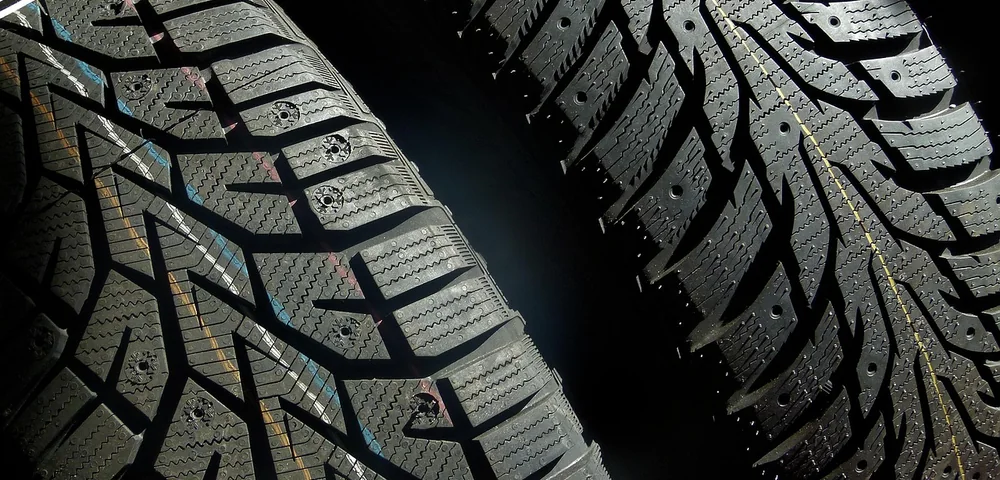
Winter capability depends heavily on which line you buy. Cooper’s dedicated winter tires (Discoverer True North and Evolution Winter) perform well in snow and on ice for a mainstream brand, using deep, aggressive sipes and softer rubber compounds rated for sub-freezing temperatures. However, Cooper’s standard all-season tires — like most all-season tires from any brand — are not a substitute for dedicated winter tires once temperatures drop consistently below 45°F, since the tread compound stiffens and loses grip. If you live somewhere with real winters, budget separately for winter-specific rubber rather than expecting an all-season Cooper tire to cover you.
Tread Life, Warranty and Value for Money
Tread life is one of Cooper’s genuine strengths. The CS5 Grand Touring and Discoverer HTP lines commonly carry treadwear warranties in the 60,000 to 75,000-mile range, which is competitive with — and sometimes better than — similarly priced tires from other mainstream brands. Real-world owner reports generally support these numbers when tires are properly rotated and aligned, though heavier SUVs and trucks running all-terrain tires will naturally see shorter life due to more aggressive tread blocks.
Cooper’s warranty structure is straightforward: most passenger and touring lines include a limited treadwear warranty, a workmanship and materials warranty, and often a 45-day or 30-day test-drive guarantee that lets you return tires if you’re not satisfied. As with any manufacturer, warranty payouts are prorated based on remaining tread depth, not a full refund. If you’re unsure how tire warranties actually work in practice, it’s worth reading a complete guide to tire warranties before you buy, since coverage details and common exclusions (like uneven wear from misalignment) trip up a lot of buyers.
On pure value for money, Cooper is hard to beat in the mid-tier segment. You’re generally paying less than premium brands for tread life and wet performance that isn’t dramatically worse, which is exactly the trade-off value-conscious buyers are looking for.
Road Noise and Ride Comfort
Ride comfort is another area where Cooper performs well for the price. The CS5 Grand Touring in particular is tuned for a soft, absorbent ride over broken pavement and highway expansion joints, making it a reasonable choice for sedans and minivans used for daily commuting or road trips.
Road noise is more mixed and depends on tread pattern. Cooper’s touring lines are reasonably quiet — not silent, but comparable to other mid-tier touring tires. Where noise becomes noticeable is in the Discoverer AT3 and other all-terrain patterns, which use larger, more aggressive tread blocks for off-road traction. That aggressive tread inevitably generates more hum and drone at highway speeds, which is simply the trade-off for off-road capability rather than a flaw unique to Cooper. If cabin quietness is your top priority and you don’t need all-terrain capability, stick to the CS5 or Discoverer HTP lines rather than the AT3 or STT Pro.
How Cooper Compares with Rivals at the Same Price
Cooper’s closest competitors are other mid-tier American and international brands rather than premium manufacturers. Here’s a general comparison based on typical positioning:
| Brand | Strength vs Cooper | Weakness vs Cooper |
|---|---|---|
| General Tire | Similar treadwear warranties, comparable ride comfort | Pricing and availability vary by region; overlap in target buyer |
| Continental (value lines) | Slightly better wet grip and refinement | Usually a bit more expensive |
| Yokohama | Strong touring comfort | Fewer light-truck/off-road options than Cooper’s Discoverer line |
| Budget imports (Nankang, Landsail) | Lower upfront price | Shorter tread life and less consistent quality control |
For a direct head-to-head, our General Tire vs Cooper Tire comparison goes deeper into durability and comfort differences between two of the most cross-shopped mid-tier brands. Compared with budget-tier options, Cooper consistently shows better manufacturing consistency and longer usable tread life, which usually justifies the modest price premium over time.
Who Should Buy Cooper Tires — and Who Shouldn’t
Cooper tires make sense for daily commuters, family sedan and minivan owners, and SUV or light-truck drivers who want genuine all-terrain or highway capability without paying premium-brand prices. They’re also a strong pick for anyone who values long tread life and a comfortable ride over razor-sharp handling.
Cooper is not the right choice if you’re chasing high-performance summer grip, autocross-level cornering, or the absolute quietest highway ride available — premium ultra-high-performance tires from other brands will outperform Cooper in those specific areas. Drivers in serious winter climates should also plan on a dedicated winter tire rather than relying on Cooper’s standard all-season lines. Before buying any tire, double-check your vehicle’s required size, load range, and speed rating; our guide on how to read a tire sidewall explains exactly what those numbers mean, and the tire load range guide is especially useful if you’re fitting Discoverer tires to a truck or trailer.
Frequently Asked Questions
Are Cooper tires as good as Michelin or Bridgestone?
Not quite in outright performance or refinement, but Cooper closes much of the gap in tread life and value. For daily driving, the difference is often smaller than the price gap suggests, though premium brands still lead in wet grip and cabin quietness.
See our Michelin tire review for a sense of how the premium tier compares.
Is Cooper owned by Goodyear now?
Yes. Goodyear acquired Cooper Tire in 2021, but Cooper continues to operate as its own brand with its own product lines and dealer network.
How long do Cooper tires typically last?
Most Cooper touring and highway tires carry treadwear warranties between 60,000 and 75,000 miles, with real-world results generally matching those figures when properly maintained. All-terrain and off-road patterns will wear faster due to more aggressive tread compounds and block designs.
Do Cooper tires work well in snow?
Cooper’s dedicated winter tires perform well for a mainstream brand, but its standard all-season tires should not be relied on for serious winter driving. If you regularly face snow and ice, budget for a dedicated winter tire set instead.
What’s the best Cooper tire for an SUV or light truck?
The Discoverer AT3 is Cooper’s most popular all-terrain option, balancing off-road traction with reasonable on-road manners, while the Discoverer HTP is the better choice if you stay mostly on pavement and want a quieter, more comfortable ride.

1 thought on “Cooper Tire Review: Range, Performance & Value”