
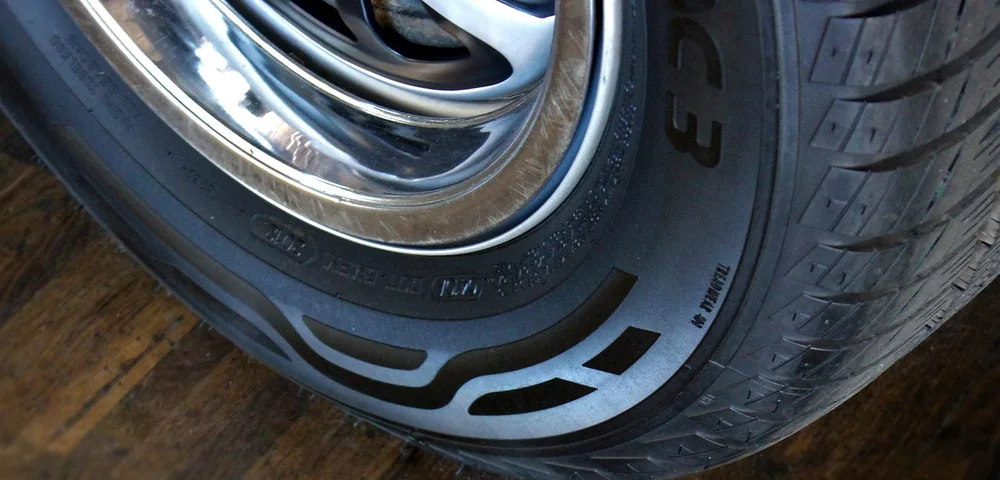
General Tire earns its reputation as a solid mid-tier brand that consistently delivers more performance than its price tag suggests. If you’re cross-shopping the Altimax, Grabber, or G-Max lines against premium brands or ultra-budget imports, the short answer is this: General Tire is a smart pick for drivers who want dependable all-season grip, respectable tread life, and a comfortable ride without paying flagship prices. It won’t out-handle a Michelin Pilot Sport or out-quiet a Continental TrueContact, but it consistently beats its price class in real-world testing. Below, we break down exactly where General excels, where it falls short, and who should actually buy it.

Who Makes General Tire and Where They Sit in the Market
General Tire has been manufacturing tires in the United States since 1915, and today it operates as a subsidiary of Continental AG, one of the world’s largest tire manufacturers. This ownership matters: General benefits from Continental’s engineering resources, rubber compound research, and testing infrastructure, while still operating as a distinct brand with its own pricing strategy and product identity.
In the market hierarchy, General sits squarely in the mid-tier bracket — above true budget brands like Sentury or Travelstar, but below premium flagships like Michelin or Bridgestone. This positioning is intentional. General’s engineering team leans on Continental’s technology for compound science and construction, then tunes the final product to hit a lower price point. The result is a tire that often performs like it belongs a tier higher than its shelf price suggests. This is the same value proposition you’ll see discussed in our General Tire vs Cooper Tire comparison, where General consistently trades blows with a similarly positioned competitor.
General Tire Range: Main Lines and What Each Is For
General’s lineup is organized clearly by use case, which makes shopping straightforward once you know what you’re looking for:
- Altimax (RT43, Altimax 365AW): The bread-and-butter all-season touring line for sedans, coupes, and crossovers. The 365AW variant is a three-peak-mountain-snowflake-rated all-weather tire, meaning it’s certified for severe winter conditions without needing a dedicated winter set.
- Grabber (APT, A/TX, HTS60): The truck and SUV family, ranging from highway-terrain comfort tires (HTS60) to all-terrain options (APT, A/TX) for light off-roading and towing duty.
- G-Max (RS, AS-05): The performance-oriented line, built for drivers who want sharper steering response and higher speed ratings without jumping to a full ultra-high-performance price tag.
- Grabber UHP and specialty winter models: Smaller niche offerings for enthusiasts and drivers in snow-heavy regions.
The common mistake buyers make here is picking a line based on vehicle type alone rather than driving priority. A crossover owner who wants maximum comfort should default to Altimax, but one who tows a small trailer or drives gravel roads regularly is better served by a Grabber variant, even on the same vehicle.
Performance: Dry, Wet and Winter Grip
In dry conditions, General tires deliver predictable, linear steering response and adequate grip for spirited but non-aggressive driving. The G-Max RS in particular holds up well in cornering tests, though it won’t match dedicated summer performance tires from premium brands in outright lateral grip.
Wet performance is where General has invested real engineering effort, and it shows. The Altimax line uses siping patterns and compound choices designed to reduce hydroplaning risk and shorten wet braking distances. In independent testing, Altimax models consistently land in the middle-to-upper range of their competitive set for wet stopping distance — not class-leading, but far ahead of many budget alternatives.
Winter grip is a genuine strength for General, largely thanks to the Altimax 365AW’s three-peak-mountain-snowflake certification. This rating means the tire meets a minimum snow traction threshold and can be used as a legitimate all-weather option in regions with moderate snowfall. It’s not a substitute for a dedicated winter tire in harsh climates — deep snow and ice still favor a studded or dedicated winter compound — but for drivers who see occasional snow and don’t want to swap tires seasonally, it’s a meaningful advantage over standard all-season tires that lack any severe-service rating.
Tread Life, Warranty and Value for Money
General backs most of its passenger and touring lines with treadwear warranties in the 55,000 to 75,000-mile range, depending on the specific model. The Altimax RT43, for example, typically carries a warranty toward the higher end of that range, reflecting its touring-focused compound designed for longevity over outright grip.
Real-world tread life generally tracks close to the warranted mileage when tires are rotated on schedule and alignment is maintained — a claim that doesn’t hold up nearly as well on tires with aggressive tread patterns or softer, grippier compounds like the G-Max line, which trades some longevity for performance.
Value for money is arguably General’s strongest selling point. Because the brand sits below premium pricing but benefits from Continental’s engineering, buyers often get 80-90% of a premium tire’s real-world performance for a noticeably lower price. The common mistake here is assuming a cheaper price always means a compromise; with General, the drop in price doesn’t come with a proportional drop in capability. As with any tire, always check the manufacture date and confirm warranty terms before purchase — our guide to tire warranties explains what’s typically covered and what voids coverage.
Road Noise and Ride Comfort
Ride comfort across the General lineup is generally good, particularly on the Altimax touring tires, which prioritize a smooth, absorbent ride over sharp feedback. The internal construction favors compliance over stiffness, which suits daily commuters and family vehicles well.
Road noise is a mixed bag depending on the model. Altimax tires are reasonably quiet for their price class, though not whisper-quiet like premium touring tires with advanced noise-canceling foam or optimized tread block sequencing. Grabber all-terrain models, as expected for the category, produce more noticeable road hum at highway speeds due to their more aggressive tread pattern — a tradeoff every all-terrain buyer should expect regardless of brand.
The most common complaint from owners isn’t excessive noise from new tires, but noise that develops over time due to uneven wear from skipped rotations or poor alignment. If you notice a new hum or vibration developing, it’s worth checking for irregular wear patterns before blaming the tire itself — our guide on symptoms of unbalanced tires covers the warning signs to watch for.
How General Tire Compares with Rivals at the Same Price
General’s closest competitors at similar price points include Cooper, Kumho, Yokohama’s value lines, and Hankook’s budget sub-brand Laufenn. Here’s how they generally stack up across key categories:
| Brand | Dry/Wet Grip | Ride Comfort | Tread Life | Winter Capability |
|---|---|---|---|---|
| General | Above average | Very good | Above average | Strong (365AW) |
| Cooper | Average | Very good | Above average | Average |
| Kumho | Above average | Good | Average | Average |
| Laufenn | Average | Good | Average | Below average |
General’s edge tends to show up most clearly in winter-capable all-weather models and in overall consistency across its lineup — fewer weak links compared to some competitors that excel in one category but disappoint in another. For a deeper look at one of these direct matchups, see our General vs Cooper comparison, and for budget-brand context, our Kumho tire review and Laufenn tire review are useful references.
Who Should Buy General Tire — and Who Shouldn’t
General Tire is an excellent fit for daily commuters, family sedan and crossover owners, and light-duty truck or SUV drivers who want a comfortable, dependable tire without paying premium-brand prices. It’s also a strong choice for drivers in regions with occasional snow who want all-weather capability without a dedicated winter set — the Altimax 365AW is purpose-built for exactly this scenario.
General is less suited to two groups. First, serious performance drivers chasing maximum grip for track days or aggressive canyon driving will find better options in dedicated ultra-high-performance tires from premium brands. Second, drivers in regions with severe, prolonged winter conditions — heavy snowfall, sustained sub-freezing temperatures, or icy mountain roads — should still opt for a dedicated winter tire rather than relying on an all-weather rating, since no all-season or all-weather tire matches a true winter compound’s ice grip.
Before buying any replacement set, confirm the correct size and load specifications for your vehicle. Our guide to reading a tire sidewall walks through decoding size, load index, and speed rating so you order the right fitment the first time.
Frequently Asked Questions
Is General Tire a good brand overall?
Yes. General is a legitimate mid-tier brand backed by Continental’s engineering resources. It consistently outperforms its price point in wet grip, tread life, and ride comfort, making it a strong value choice for daily drivers.
How does General Tire compare to Continental?
Since General is owned by Continental, there’s shared engineering DNA, but Continental’s own-brand tires sit at a higher price point with generally sharper performance and lower noise. General offers a large share of that capability at a lower cost. See our Continental tire review for a direct look at the parent brand’s flagship offerings.
Are General tires good in snow?
Models with the three-peak-mountain-snowflake rating, like the Altimax 365AW, perform well in moderate snow and are certified for severe winter service. However, in regions with heavy, sustained snowfall or ice, a dedicated winter tire will still outperform any all-weather option.
How long do General tires typically last?
Most passenger and touring lines carry treadwear warranties between 55,000 and 75,000 miles, and real-world mileage generally tracks close to that figure with regular rotation and proper alignment maintenance.
Is General Tire better than budget brands like Sentury or Travelstar?
Generally, yes. General offers more consistent wet-weather performance, better warranty coverage, and more refined ride quality than most true budget brands, while still costing less than premium options. Our Sentury tires review and Travelstar tire review offer more context on how those budget options compare.