
BFGoodrich is a mid-to-upper tier tire brand best known for the All-Terrain T/A KO2 and a solid lineup of all-season and performance tires — but is it actually worth the money compared to Michelin, Bridgestone, or Continental? The short answer: yes, if you want a tire built with a slight off-road or performance-driving bias, backed by real engineering, at a price a notch below premium flagship brands. It’s not the best pick if you want the quietest, smoothest daily commuter tire on the market. Below is a full breakdown of where BFGoodrich fits, what each tire line is designed to do, and how the brand actually performs in the categories that matter.

Who Makes BFGoodrich and Where They Sit in the Market
BFGoodrich has been building tires since 1870 and has been owned by Michelin since 1990. That ownership matters: BFGoodrich tires are engineered using much of the same compounding, testing, and manufacturing infrastructure as Michelin, but the brand is positioned as a more affordable, performance-and-adventure-focused alternative rather than a direct clone. Think of it as Michelin’s rugged, motorsport-flavored sibling rather than a budget knockoff.
In the market hierarchy, BFGoodrich sits above budget and mid-range brands like Kumho, Kenda, or Laufenn, but typically below full premium pricing from Michelin or top-tier Continental lines. That middle position is where most of its value comes from — you’re paying for genuine off-road and performance pedigree (BFGoodrich has a long motorsport and Baja racing history) without the full premium-brand markup.
BFGoodrich Tire Range: Main Lines and What Each Is For
BFGoodrich’s lineup is smaller and more focused than most major brands, which actually makes shopping easier. The core lines break down like this:
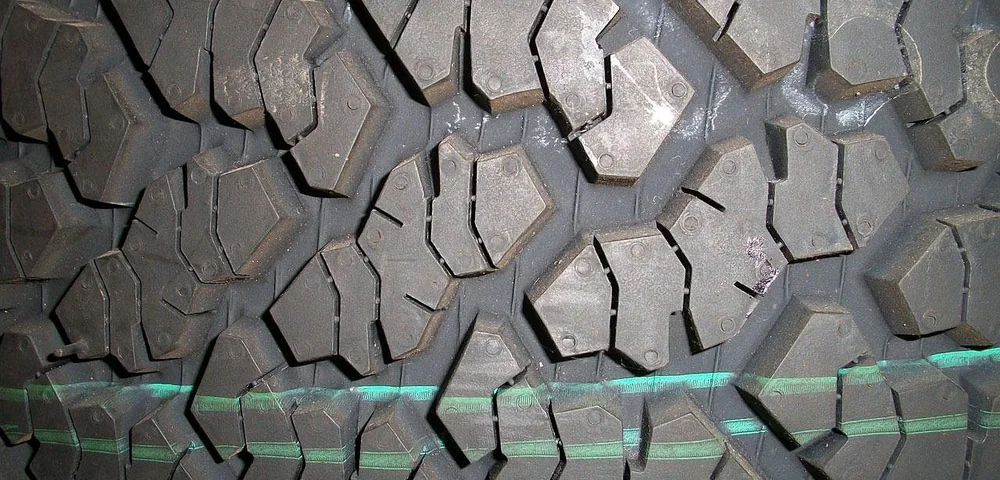
- All-Terrain T/A KO2: The brand’s flagship and best-known product. Built for trucks, SUVs, and Jeeps that see real dirt, gravel, and light rock crawling but still need to be driven on highways daily. Reinforced sidewalls and a tougher casing are the headline features.
- Trail-Terrain T/A: A softer, more street-friendly all-terrain for crossovers and SUVs that rarely leave pavement but want an aggressive look and light gravel capability.
- Mud-Terrain T/A KM3: An aggressive off-road tire for serious mud, rock, and trail use, at the cost of highway noise and tread life.
- Advantage Control / Advantage T/A Sport: Everyday all-season passenger tires for sedans and crossovers, competing directly with mainstream touring tires.
- g-Force Comp-2 / g-Force Sport: Ultra-high-performance summer tires aimed at sports cars and performance sedans.
Almost every BFGoodrich tire leans toward either off-road toughness or on-road grip — there’s very little in the ultra-quiet-comfort-touring category, which tells you a lot about the brand’s identity.
Performance: Dry, Wet and Winter Grip
Dry grip on BFGoodrich’s performance lines (g-Force series) is genuinely strong, with confident steering response and good high-speed stability — competitive with rivals like Toyo and Bridgestone performance lines. The All-Terrain KO2, unsurprisingly, sacrifices some dry pavement sharpness for its rugged tread design, but it’s still predictable and stable for a tire with aggressive off-road lugs.
Wet performance is where BFGoodrich shows the most variation across its range. The Advantage Control and g-Force Sport tires perform well in wet braking and cornering, using tread designs optimized for water evacuation. The KO2 and KM3, however, are noticeably weaker in wet on-road braking and cornering compared to dedicated all-season tires — the deep, blocky tread that helps in mud doesn’t grip wet asphalt as confidently.
Winter performance is a genuine weak spot for most of the lineup unless you’re buying a specific winter or severe-snow-rated version. Standard all-season BFGoodrich tires meet the minimum three-peak mountain snowflake requirements in some models but shouldn’t be mistaken for dedicated winter tires. If you drive in real snow and ice regularly, a proper winter tire — regardless of brand — will outperform any all-season or all-terrain BFGoodrich option in braking distance and traction.
Tread Life, Warranty and Value for Money
Tread life varies significantly by line, which is normal for a brand that spans off-road and performance categories. The Advantage Control, built specifically for treadwear, is rated for higher mileage warranties in the 65,000–75,000 mile range depending on the specific size and speed rating. The All-Terrain KO2 typically carries a lower treadwear warranty because of its softer, more flexible off-road compound — expect meaningfully less mileage than a comparable street-only all-season tire, especially if you run it on-road most of the time.
Performance-oriented g-Force tires carry little to no treadwear warranty at all, which is standard across the UHP category — soft compounds for grip trade off directly against longevity. Always check the specific warranty terms for your exact tire model and size before buying, since BFGoodrich (like most manufacturers) adjusts mileage warranties by speed rating and construction. For a full explainer on how these warranties actually work and what voids them, see this complete guide to tire warranties.
Overall value is strong if you buy the right tire for your use case. Paying for the KO2’s reinforced sidewalls makes sense if you actually drive on gravel roads or trails; paying that same premium for a tire that never leaves pavement is money you don’t need to spend.
Road Noise and Ride Comfort
This is the category where BFGoodrich’s identity works against it. Because the lineup skews toward off-road and performance tires, the brand doesn’t have many dedicated quiet-comfort touring options. The All-Terrain KO2 and especially the Mud-Terrain KM3 produce noticeable road noise at highway speeds — a direct consequence of their aggressive, open tread blocks designed to self-clean in mud and gravel. Drivers coming from a standard all-season tire onto a KO2 should expect a real increase in cabin noise, particularly on coarse asphalt.
Ride comfort on the all-terrain and mud-terrain lines is generally firm, with more road feedback transmitted through the cabin than a touring tire would allow. This is partly a function of the stiffer sidewall construction needed for off-road durability and load carrying.
The Advantage Control and g-Force Sport lines are considerably quieter and smoother, closer to what you’d expect from a mainstream all-season or performance tire. If ride comfort and quiet are your top priorities and you don’t need off-road capability, these street-focused BFGoodrich lines — or a different brand entirely — will serve you better than the all-terrain models. Worth noting: noise complaints are often misdiagnosed as tire issues when the real cause is unbalanced tires or another underlying mechanical issue, so it’s worth ruling that out before blaming the tread pattern.
How BFGoodrich Compares With Rivals at the Same Price
| Category | BFGoodrich | Typical Rival at Similar Price |
|---|---|---|
| All-Terrain | KO2 — tougher sidewalls, better off-road grip, more road noise | Toyo Open Country A/T III — quieter, similar durability |
| Daily All-Season | Advantage Control — solid, unremarkable comfort | Continental TrueContact — quieter, similar treadwear rating |
| UHP Summer | g-Force Comp-2 — strong dry grip, track-capable | Bridgestone Potenza — comparable grip, slightly better wet performance |
| Winter Capability | Limited beyond 3PMSF-rated models | Dedicated winter lines from most competitors outperform |
The pattern across these comparisons is consistent: BFGoodrich rarely wins outright on comfort or wet/winter grip, but it consistently wins or ties on off-road durability, sidewall toughness, and dry-weather performance driving feel. If your priority list starts with