
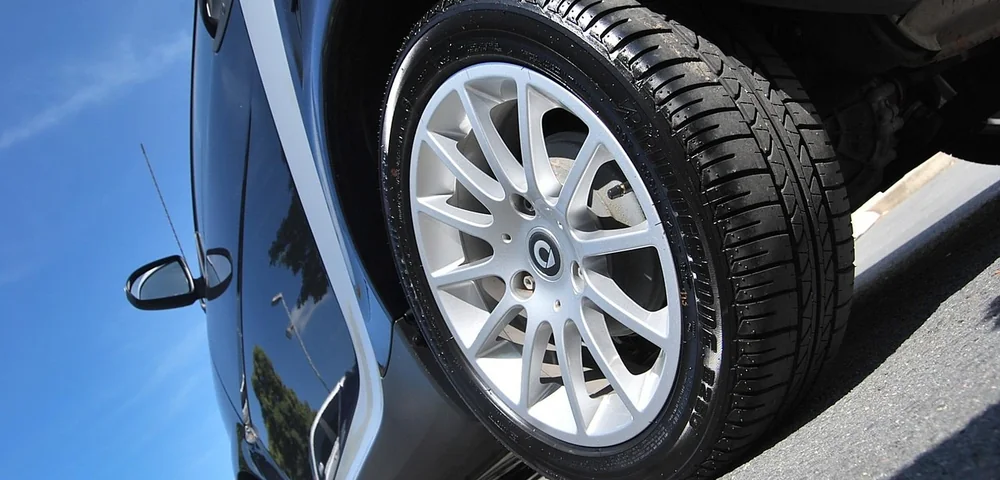
Nokian is one of the few tire makers that built its entire reputation on winter performance before branching into all-season and summer lines, and that heritage still shows in how the tires drive. If you’re deciding whether to buy Nokian, the short answer is: they’re an excellent choice if you live somewhere with real winters or wet, cold shoulder seasons, and a solid but less obviously superior choice if you’re shopping purely for dry-climate all-season or performance tires where competitors have more name recognition and wider dealer networks.
Below is a deeper look at where Nokian fits, what each product line actually does well, and where your money is better spent elsewhere.

Who Makes Nokian and Where It Sits in the Market
Nokian Tyres is a Finnish manufacturer founded in the 1930s in the town of Nokia, Finland (yes, the same namesake as the phone company, both originating from the same industrial roots). The company is credited with inventing the first winter tire with a dedicated winter tread pattern in the 1930s, and it has spent decades refining studded and studless winter compounds for Nordic conditions that are harsher and more variable than most of the United States ever sees.
In the tire market hierarchy, Nokian sits in the premium tier alongside brands like Michelin, Continental, and Bridgestone, but with a narrower overall lineup and a much stronger identity in winter and all-weather products than in summer performance or light truck categories. Pricing generally lands in the upper-middle to premium range — comparable to or slightly below flagship Michelin and Continental products, and above mainstream brands like Hankook or Goodyear’s non-flagship lines. Nokian doesn’t compete on volume or ubiquity; it competes on cold-weather engineering and a few standout year-round products.
Nokian Tire Range and What Each Line Is For
Nokian’s lineup is smaller than most major manufacturers, which actually makes shopping easier since there’s less overlap and confusion between models. Here’s how the range breaks down:
| Line | Category | Best For |
|---|---|---|
| Hakkapeliitta series | Studded and studless winter | Severe winter climates, ice and deep snow |
| WR series (WR G4, WRG5) | All-weather / all-season with winter certification | Drivers who want one tire year-round in mixed climates |
| One / One HT | All-season touring and light truck/SUV | Daily driving, crossovers, and pickups in moderate climates |
| zLine / Powerproof | Ultra-high-performance summer and all-season | Sport sedans and coupes wanting sharper handling |
| Rotiiva series | Light truck and SUV all-terrain/highway | Trucks and SUVs needing durability and towing stability |
The Hakkapeliitta line is Nokian’s crown jewel and the reason serious winter drivers seek the brand out by name. The WR series is arguably the more practical choice for most North American buyers, since it carries the severe-service snowflake rating while still functioning as a normal all-season tire the other nine months of the year. If you’re trying to decode any of these model names or ratings on a sidewall, our guide to reading a tire sidewall walks through what each code and marking actually means.
Performance: Dry, Wet and Winter Grip
Dry performance on Nokian’s all-season and touring lines is competent but not the headline feature — expect steering response and cornering grip roughly on par with other premium all-season tires like the Continental TrueContact or Michelin CrossClimate, without quite matching a dedicated summer UHP tire. The Powerproof and zLine models close that gap noticeably if dry handling is a priority, offering firmer sidewalls and stickier compounds aimed at sport sedans.
Wet performance is where Nokian consistently earns praise. The company’s tread designs use aggressive water evacuation channels and silica-rich compounds that keep braking distances short and hydroplaning resistance high, a trait that carries over from their wet-and-cold Nordic testing background. In independent wet-braking tests, WR and Hakkapeliitta models routinely land near the top of their categories.
Winter grip is the real story. On packed snow and ice, the Hakkapeliitta series is regarded as one of the best studless winter tires available, using a siping pattern and rubber compound engineered to stay pliable well below freezing. Even the all-weather WR line, which sacrifices some ice grip compared to a dedicated winter tire, still outperforms most all-season competitors in snow traction by a meaningful margin. If you’re cross-shopping winter-capable options, it’s worth comparing against how Bridgestone’s Blizzak lineup or Continental’s winter offerings handle the same conditions before deciding.
Tread Life, Warranty and Value
Nokian’s treadwear warranties are competitive with other premium brands, typically ranging from 50,000 to 85,000 miles depending on the specific line, with the WR and One series toward the higher end and performance-oriented models like the zLine carrying shorter or no mileage warranty at all, which is standard practice for UHP summer tires industry-wide.
Real-world tread life tends to match or slightly exceed the printed warranty for drivers who rotate tires on schedule and keep pressures correct, though winter-specific Hakkapeliitta tires naturally wear faster if run year-round in warm climates since their softer compound isn’t designed for hot pavement. A common mistake buyers make is running dedicated winter tires past spring, which both accelerates wear and hurts warm-weather handling and fuel economy.
On value, Nokian isn’t the cheapest option in any category, but the cost-per-mile math tends to work out favorably because the tires last close to their rated mileage while delivering wet and winter performance that budget brands simply can’t match. If your priority is rock-bottom upfront price, brands like Sailun or Federal will undercut Nokian significantly, but you’ll trade away wet-braking margin and winter capability to get there.
Road Noise and Comfort
Ride comfort on Nokian’s touring and all-weather lines is smooth and well-damped, with the One and WR series both tuned for a quiet, composed highway ride rather than a stiff, sporty feel. This makes sense given the brand’s core customer base of daily commuters and family vehicles in climates where comfort and safety matter more than outright cornering feedback.
Road noise is generally low to moderate. The WR series in particular uses variable pitch tread blocks to break up resonance frequencies, a common technique among premium manufacturers to avoid the droning hum that cheaper tires produce at highway speed. Studded Hakkapeliitta variants are the exception — as with any studded tire, expect a noticeable clicking or humming noise on dry pavement, which is the tradeoff for maximum ice grip. Studless Hakkapeliitta models avoid this and ride much more like a standard tire when conditions are dry.
One thing owners sometimes overlook is that noise and comfort change as a tire wears. Winter tires especially can develop uneven wear patterns if not rotated, which introduces noise that wasn’t there when new. Rotating every 5,000 to 7,000 miles keeps both noise and handling balanced longer.
How Nokian Compares With Rivals at the Same Price
At a similar price point, Nokian’s closest competitors are Michelin, Continental, and Bridgestone in the premium tier, and Hankook or Yokohama slightly below that.
| Brand | Strength vs. Nokian | Where Nokian Wins |
|---|---|---|
| Michelin | Broader range, stronger dry summer performance, larger dealer network | Winter and wet grip, often better all-weather value |
| Continental | Strong all-around all-season balance, more model variety | Nordic winter engineering, ice traction |
| Bridgestone | Deep OEM presence, strong touring comfort | Studless winter grip, all-weather snowflake ratings |
| Hankook | Lower price for similar performance tier | Longer track record in severe winter testing |
Nokian rarely