
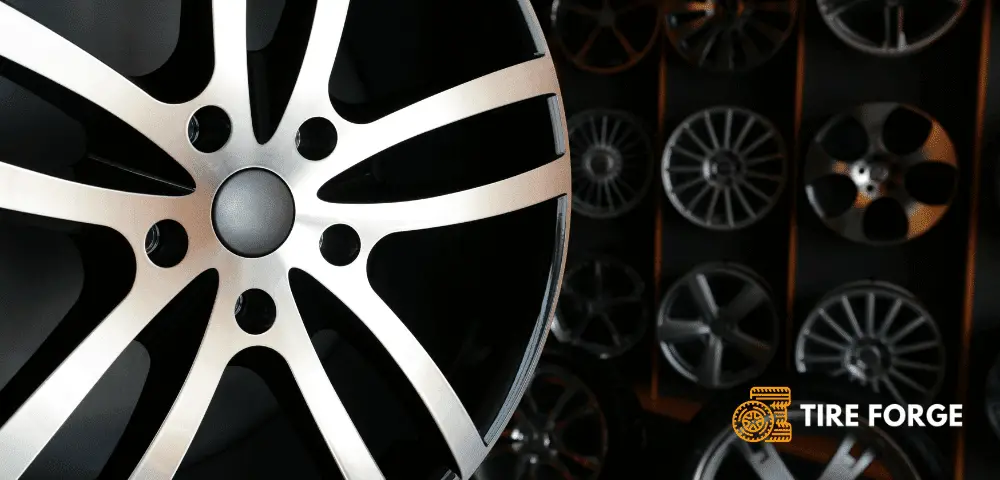
Rim prices mainly depend on the material, size, and finish you choose. This guide breaks down current pricing, installation costs, and the factors that affect what you’ll pay so you can make a smart decision for your vehicle.
You probably take your car out for a drive daily, but do you ever stop to think about the quality of the wheels?
Unfortunately, most people don’t understand the importance, while others only settle for superior quality tires with custom rims.
But whether you’re just into stylish rims or are just picky about the kind of wheels you want for your precious car, knowing how much rims cost, their different types, and what factors affect these prices can help you make your vehicle safe and comfortable without overspending.
This article covers rim pricing by type and size, installation and mounting labor, warranty considerations, and answers to the most common questions buyers have.
How Much Do Car Rims Cost?
First off, you have two options: either purchase a new set of rims or settle for used or reconditioned ones.
Brand new rims are the most expensive option, but they should function perfectly since they haven’t been used before.
Used rims are the cheapest option if you’re not bothered by a few dings or dents. Reconditioned rims are minimally damaged rims that have been restored to look new but don’t quite cost as much as a brand-new set.
Are Car Rims Expensive?
The price of car rims varies widely depending on where they are manufactured, the material used, and how they are marketed.
As of current market pricing, a basic new steel rim can start around $80 to $120 per wheel, while entry-level alloy rims typically run $120 to $250 per wheel. Prices climb quickly as materials, designs, and diameters are upgraded. Rims for luxury, performance, or vintage vehicles that require custom manufacturing or forged construction can run $500 to well over $1,500 per wheel, and specialty forged wheels from brands like HRE or Forgeline can exceed $2,000 per wheel.
If you’re simply looking to replace old rims on a budget, purchasing used or reconditioned ones from a reputable wheel shop can substantially bring the price down, often by 40-60% compared to new.
How Much Should I Pay For Rims?
To help you with your purchase, here’s a list of some things you need to consider before buying new or replacement rims for your car:
Make and Model: the more unique the car, the harder it is to find rims, and they’ll probably be more expensive as well. For instance, finding rims for a Corvette will typically be much costlier than finding the right ones for a Ford Taurus.
Year of Manufacture: it’s usually harder to find new rims for very old or classic cars. In fact, correctly-fitted rims for a rare classic can sometimes cost more than the rest of the car’s maintenance combined.
Size: the bigger the wheel diameter, the larger and costlier the rim, since more material and machining time go into it.
Wheel Type: this is where the difference between steel and alloy wheels comes in. Alloy rims are more expensive since they’re tougher to manufacture, but they’re available in more colors and finishes and are generally lighter. More on that below.
Finish: a basic finish will cost much less than brushed, chrome, or custom finishes.
Factors That Affect the Cost of Rims
Now that you have a general idea of what to look out for when going rim shopping, let’s dive into the details of what factors you need to carefully consider when deciding how much you want to pay for a set of rims.
Wheel Diameter
As mentioned previously, the bigger your wheels, the larger the rim, and the costlier it is. This is pretty obvious since more metal is used for manufacturing larger wheels, hence increasing the price.
There is a steady increase in price between 15″ and 18″ wheels, whereas prices increase more dramatically for 20″ and 22″ wheels, which are also more prone to curb damage and require higher-profile care. If you’re deciding between common sizes, our comparison of ride quality across wheel sizes can help you weigh the tradeoffs.
Types of Rims
When it comes to types of wheels, there are two main categories: steel and alloy. This also significantly affects how much rims cost.
As the name suggests, steel wheels are made of steel. Since they are simple, easier to make, and don’t come in many varieties, it is easier and cheaper to purchase and replace them. They’re also more resistant to cracking on impact, which is why they’re common as winter or spare wheels.
On the contrary, alloy wheels are made using an aluminum alloy and are available in a much wider range of sizes and finishes. This makes them more expensive and more popular with drivers willing to pay more for a customized look, better heat dissipation, and reduced unsprung weight.
Here are approximate average prices for different types of rims, based on current market ranges reported by major wheel retailers:
| Type of Rim | Typical Price per Rim |
| Steel Rims (Basic) | $80–$150 |
| Alloy Rims (Aluminum, entry-level) | $120–$250 |
| Alloy Rims (Mid-range/Aftermarket) | $250–$600 |
| Chrome-Plated Rims | $200–$400 |
| Painted Finish Rims (black/white) | $120–$350 |
| Forged/Custom Performance Rims | $500–$2,000+ |
Note: Prices vary by brand, retailer, and region. Always get a current quote from a wheel dealer or manufacturer such as American Racing or Enkei before budgeting.
Now let’s consider a worst-case scenario. If you’re in an accident and simply need to replace your car’s rims, the choice will come down to what rims you already had.
If you had steel rims, replacing them won’t cost you much. But if you had alloy rims, you’ll either need to replace just the damaged wheel with a matching one or, if a match isn’t available, buy a full new set to keep the look and fitment consistent.
Installation and Mounting Labor Costs
The cost of the rim itself is only part of the total bill. Most shops charge for mounting, balancing, and installation as a separate service:
- Mounting and balancing: typically $15–$45 per tire/wheel at a tire shop.
- Full installation (all four wheels, including valve stems and TPMS reset): generally $60–$200 total, depending on the shop and whether TPMS sensors need to be reprogrammed or replaced.
- TPMS sensor replacement: add $25–$80 per sensor if your old sensors are incompatible with the new wheels.
- Alignment check/adjustment: often recommended after a wheel change, usually $75–$150.
Many tire retailers offer discounted or free mounting and balancing when you purchase tires and wheels together as a package, so it’s worth asking before you buy separately.
Warranty Considerations
Warranty coverage varies significantly between manufacturers and rim types, so it’s worth checking before you buy:
- Structural/manufacturer defect warranties: most reputable wheel manufacturers offer a limited lifetime warranty against manufacturing defects (cracking, bending under normal use) for the original owner.
- Finish warranties: chrome and painted finishes often carry a separate, shorter warranty (commonly 1–3 years) covering peeling, bubbling, or corrosion.
- Road hazard coverage: some retailers sell optional road hazard protection for wheels, covering damage from potholes or debris — this is separate from the manufacturer’s warranty and usually must be purchased at the time of sale.
- Used and reconditioned rims: typically carry little to no warranty, so inspect carefully for cracks, bends, or repair welds before purchasing.
Always register your warranty with the manufacturer and keep your receipt, as most claims require proof of purchase and installation by a qualified shop.
Wheel Finish
Another very important factor in deciding the cost of rims is customization and wheel finish. As mentioned, steel wheels have very few finishing options and generally come in white, black, and grey powder coat.
However, alloy wheels are available in various finishes with varying prices, and some manufacturers even combine finishes to create unique two-tone results.
Some common alloy finishes include:
Chrome Wheels
Chrome-plated wheels can completely transform the appearance of your car with a dazzling, mirror-like sheen. Chrome wheels are extremely durable if properly maintained, but they aren’t suggested for winter use or extreme weather, since road salt can accelerate corrosion.
Black Wheels
Automotive-style spray-painted black wheels are available in various finishes, including semi-gloss black, satin black, stealth black, carbon black, flat black, and matte black.
Polished Wheels
Polished wheels are buffed by hand or machine, giving them their extremely shiny, chrome-like finish.
They are usually protected from erosion by a clear coat; if not, the wheels will require regular re-polishing to maintain their shine.
Silver Wheels
Automotive-style spray-painted silver wheels are available in various finishes, such as super silver, hyper silver, titanium silver, dark silver, satin silver, tungsten silver, and matte silver.
Machined or Machine-Polished Wheels
Machined wheels may be machined on the full face of the wheel or only on specific areas like the spokes and lip for a bold, shiny two-tone look.
How Much Does It Cost To Get Black Rims?
The average cost to have rims blacked out with spray or vinyl wrap runs roughly $70 to $200 per wheel, depending on the intricacy of the job and design.
On average, rims with a black powder coat finish cost around $150 to $300 per wheel. It’s more expensive because powder coating is considerably more durable than spray painting and provides a more reliable, longer-lasting finish.
Having said that, the cost of getting black rims will also depend on your area, the shop you choose, and whether the wheels need prep work like sanding or repairing curb rash beforehand.
Frequently Asked Questions
How much does a full set of four rims cost?
A full set of four basic steel rims can run roughly $320–$600, while a set of four entry-level alloy rims typically costs $500–$1,000. Premium or forged sets can easily exceed $2,000–$8,000 for four wheels.
Is it cheaper to buy rims and tires together?
Often, yes. Many retailers bundle mounting, balancing, and sometimes road hazard protection when you buy a wheel-and-tire package, which can save money compared to purchasing rims and tires separately and paying for installation twice.
Do bigger rims always cost more?
Generally yes — larger diameters require more raw material and tighter manufacturing tolerances, and the tires that fit them also tend to cost more, which increases overall project cost.
Can I put new rims on without buying new tires?
Yes, as long as your current tires are in good condition and their size is compatible with the new rim’s width and diameter. A tire shop can confirm fitment before mounting.
Conclusion
A unique set of rims will surely make your car stand out, but as we’ve covered, various factors — material, size, finish, and your vehicle’s make and model — all contribute to the final cost.
Remember to budget for installation, balancing, and potential TPMS work on top of the rim price itself, and check the manufacturer’s warranty terms before you buy.
You’ll need to pay extra for unique designs, larger sizes, and rims for old or rare models. Nevertheless, rims are an important part of your vehicle, so invest not only in their appearance but also in their quality and durability.