
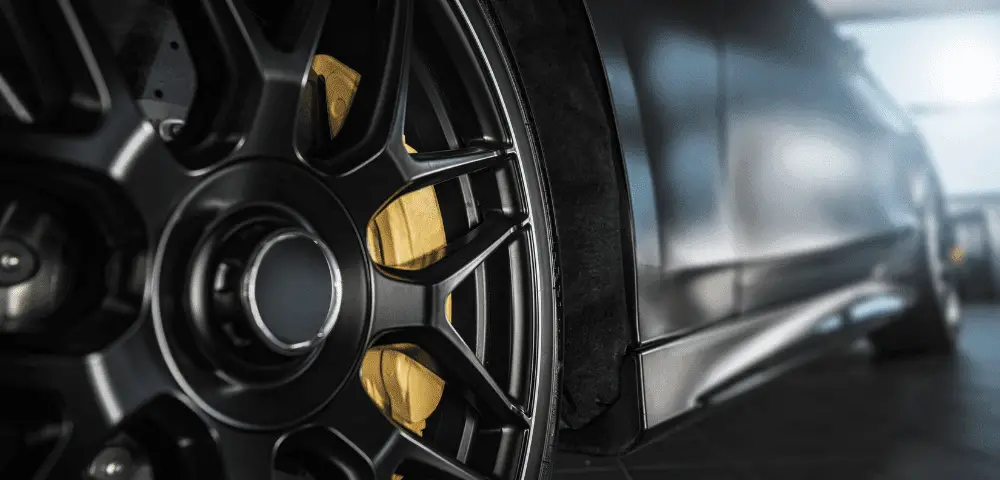
Do low profile tires wear out faster? In most cases, yes. Low profile tires typically wear out faster than standard tires because their shorter, stiffer sidewalls and softer high-performance rubber compounds are built for grip and handling rather than longevity. That said, how quickly any tire wears depends heavily on driving style, wheel alignment, tire compound, and vehicle load — the aspect ratio is only part of the story.
Every tire type has its own structural and physical composition that affects performance, and low profile tires are one of the most popular choices for drivers who want a sportier look and sharper handling.
This guide breaks down exactly why low profile tires wear the way they do, how they compare to standard tires on cost and comfort, which brands and models are worth considering, and what you can expect to pay over the life of the tire.
What Are Low Profile Tires?
Low profile tires have been around for decades and became popular for their combination of performance and looks. Early high-performance radials such as the Pirelli P7 helped popularize the low-aspect-ratio design in the 1970s and 80s, and the category has grown steadily ever since.
Today, low profile tires are known for their aesthetic appearance and are commonly found on sports cars, high-end vehicles, and sport-trim sedans such as BMW, Porsche 911, Lexus, Audi, and Honda Accord Sport models.
There are several things that separate this tire type from regular road tires. Understanding those differences will help you choose the right tire for your driving needs and get the best experience out of it.
What Is Considered a Low Profile Tire?
Low profile tires have a lower aspect ratio and shorter, stiffer sidewalls than standard tires. This is what sets them apart from regular tires in both feel and function.
Every tire has a size code that includes its aspect ratio — the ratio of sidewall height to tread width. For example, a tire marked P215/50R15 has a sidewall height equal to 50% of its 215mm width.
As a general rule, tires with an aspect ratio of 50 or lower are considered low profile, and anything 45 or below is often labeled “ultra-low profile.”
Low Profile vs. Standard Tires: Quick Comparison
Here’s how low profile tires typically compare to standard (higher aspect ratio) tires across the factors drivers care about most:
| Factor | Low Profile Tires | Standard Tires |
|---|---|---|
| Tread wear rate | Generally faster, especially with performance compounds and spirited driving | Generally slower, built for longer treadwear |
| Ride comfort | Firmer, transmits more road imperfections | Softer, more cushioned ride |
| Road noise | Usually louder due to less sidewall cushioning | Usually quieter |
| Cost over tire lifespan | Higher, due to shorter tread life and pricier compounds | Lower, due to longer tread life |
| Handling & cornering | Sharper, more responsive | Less responsive, more forgiving |
| Fuel efficiency | Can be slightly better due to lower rolling resistance in some designs | Varies by tire, generally comparable |
| Pothole/curb damage risk | Higher, less cushioning to absorb impacts | Lower |
| Winter performance | Poor unless a winter-specific low-profile tire is used | Generally better in snow/ice with the right tread design |
Key Features of Low Profile Tires
Tire Type and Compound
The tire type and rubber compound are the first things that determine how a low profile tire performs and wears.
Most manufacturers build low profile tires with softer compounds that maximize road grip and stability, which is why they’re commonly targeted at sports cars and luxury vehicles.
Popular tire brands offering low profile options include Michelin, Kumho, Continental, Goodyear, and Pirelli, each with their own performance-tire lineups.
Size
Beyond the sporty look, aspect ratio, and manufacturer, size is another defining factor of low profile tires.
The sidewall is engineered differently depending on wheel size — tires paired with smaller-diameter wheels have taller sidewalls, while tires paired with larger alloy wheels have narrower, shorter sidewalls.
It’s this combination of a larger wheel diameter and a shorter sidewall that gives low profile tires their signature sporty stance.
Tread Life
Tread design and life is another important consideration when comparing low profile tires to standard options.
Low profile tires are engineered for performance, grip, and stability rather than maximum tread life. Their softer compounds improve traction but generally carry lower UTQG treadwear ratings than comparable all-season or touring tires — meaning they’re rated by manufacturers themselves to wear faster under equivalent conditions.
When comparing tires, checking the UTQG treadwear number on the sidewall (a higher number indicates longer expected tread life relative to a baseline reference tire) is one of the most reliable ways to estimate relative wear rate before you buy.
Rolling Resistance
Some low profile tires are designed with lower rolling resistance, which can contribute to slightly better fuel efficiency compared to some standard tires, thanks to their shorter sidewalls and simplified tread patterns. This varies significantly by model, so it shouldn’t be assumed across the board.
Cost Implications: Total Cost of Ownership
Because low profile tires tend to wear faster and cost more per tire than comparable standard tires, the total cost of ownership is usually higher over the life of the vehicle. A few things to factor in:
- Purchase price: Low profile performance tires generally cost more per tire than comparable all-season or touring tires of the same overall diameter.
- Replacement frequency: Faster tread wear often means replacing low profile tires sooner, sometimes years before a standard tire would need replacing.
- Damage risk: Shorter sidewalls provide less cushioning against potholes and curbs, increasing the risk of sidewall damage, bent wheels, or blowouts — all of which add unplanned costs.
- Alignment sensitivity: Low profile tires are more sensitive to misalignment, which can accelerate uneven wear if the vehicle isn’t kept in proper alignment.
If tread life and long-term cost matter more to you than sportier handling, a standard aspect ratio tire is usually the more economical choice.
Top Low Profile Tire Brands
Tire lineups change over time as manufacturers release updated models, so always check the current version of any tire before buying. Below are well-established performance lines from major manufacturers that are commonly available in low profile sizes.
Michelin
Michelin is one of the largest tire companies in the world, with a global footprint and one of the broadest performance-tire lineups in the industry, including the Pilot Sport A/S line.
Michelin Pilot Sport A/S
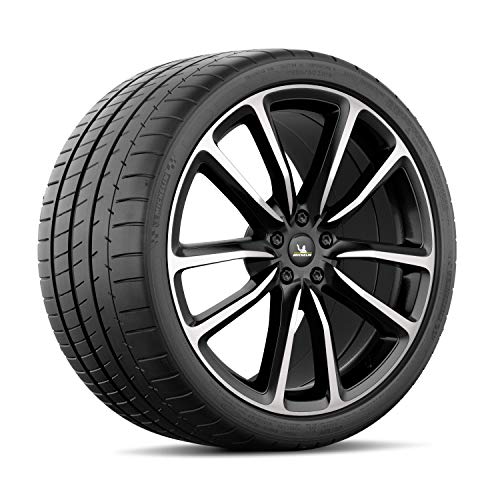

The Pilot Sport A/S is an all-season ultra-high performance tire designed for sports and passenger cars.
It uses a specialized tread compound aimed at balancing grip and durability, and Michelin markets it with strong wet-weather handling.
Like most low profile all-season performance tires, it’s built for all-weather use, but as with any low-aspect-ratio tire, expect faster tread wear than a comparable touring tire, particularly if driven aggressively.
Actual tread life will depend on the specific size, load, and driving conditions — check the manufacturer’s current treadwear warranty for the most accurate estimate rather than relying on a fixed number of years.
Continental
Continental is another manufacturer with a strong reputation, producing passenger, crossover, and light truck/SUV tires with a consistent focus on performance and safety.
Beyond tire manufacturing, Continental also offers additional services, including roadside assistance programs in some regions.
Continental ExtremeContact Sport
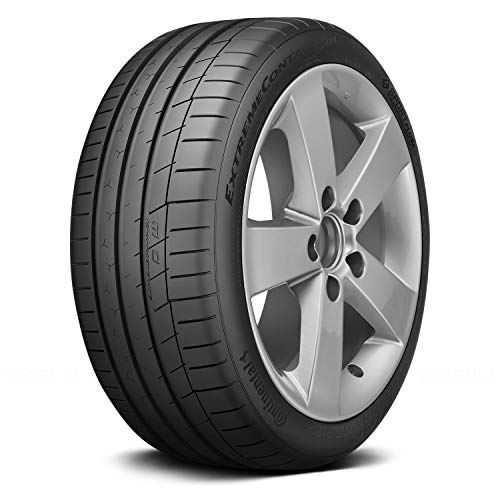
The ExtremeContact Sport line is a popular choice among enthusiasts and track-day drivers alike.
It’s an ultra-high performance tire with strong grip in both dry and wet conditions, using Continental’s SportPlus Technology to improve handling response while aiming to extend tread life relative to earlier generations of the tire.
As with other performance-oriented low profile tires, expect shorter tread life than a comparable all-season touring tire in exchange for the added grip and responsiveness.
Goodyear
Goodyear is one of the oldest and most recognized names in tire manufacturing, with a long track record of innovation.
Goodyear applies its technology across safety, comfort, convenience, and fuel efficiency, and one of its long-standing low profile options is the Eagle Sport line (an updated successor to the older Eagle GT II).
Goodyear Eagle Sport / Eagle GT II

If you’re looking for a low profile tire built to fit a wide range of vehicles, Goodyear’s Eagle line is designed for exactly that.
It’s a sporty all-season tire with responsive handling and solid traction for daily driving and light performance use.
It performs well in dry and wet conditions and can handle light winter weather, but like nearly all standard low profile tires, it is not rated for dedicated snow and ice use.
The tire uses independent tread blocks with full-depth grooves for cornering grip and traction, along with a reinforced casing for a stable, comfortable ride.
Kumho
Kumho is one of the largest tire manufacturers worldwide, with decades of experience designing performance tires for road use.
The brand focuses on delivering strong performance at a competitive price point, which has made it a popular choice among budget-conscious performance drivers.
Kumho remains one of the more accessible manufacturers of low profile performance tires.
Kumho Ecsta PS31

The Kumho Ecsta PS31 is a summer performance tire designed for passenger cars, aimed at drivers who want better handling and braking in dry and wet conditions.
It uses a silica-based tread compound molded into a directional pattern with a solid center rib for stability, plus a 3D dimple design intended to reduce heat buildup in the larger tread blocks.
It also has four circumferential grooves to reduce hydroplaning risk, a computer-optimized structure for even contact pressure and wear, and a reinforced two-ply polyester casing for impact resistance.
Pirelli
Pirelli is among the top tire manufacturers focused primarily on high-performance car tires.
Pirelli P Zero Nero

The P Zero Nero is one of Pirelli’s popular low profile tires and a solid choice for sedans and sportier cars.
It uses an optimized tread design with a silica-balanced compound aimed at improving both durability and wear resistance relative to other ultra-high-performance tires.
Pirelli markets the P Zero Nero as one of the quieter tires in its performance lineup. It’s worth noting, though, that like nearly all low profile tires, it will still transmit more road noise and vibration into the cabin than a standard touring tire — the shorter sidewall simply has less rubber to absorb road impact before it reaches the vehicle. “Quieter” here means quieter relative to other ultra-high-performance tires, not quiet in an absolute sense.
Frequently Asked Questions
Do Low Profile Tires Wear Quicker?
Yes, in most cases. Low profile tires are designed with soft, high-grip compounds and short sidewalls that prioritize handling and cornering over long-term durability, which generally translates to a shorter tread life than a comparable standard tire — this is reflected in the lower UTQG treadwear ratings that many performance tires carry compared to touring or all-season tires.
That said, load, alignment, driving style, and tire pressure all significantly affect how quickly any tire wears. A low profile tire that’s properly maintained and driven conservatively can still outlast a poorly maintained standard tire.
If you regularly carry heavy loads, choosing a tire size and load rating appropriate for that use is more important than the aspect ratio alone.
Why Are Low Profile Tires Considered a Downside for Some Drivers?
The most common complaints about low profile tires are road noise, faster wear, a firmer ride, and reduced comfort on rough surfaces.
They tend to be noisier because the shorter sidewall has less rubber to absorb and dampen vibration and impact noise from the road surface before it reaches the cabin — the opposite issue from what’s sometimes assumed about airflow through the tread. For a smoother, quieter ride, a taller sidewall generally does a better job.
They also tend to wear faster than standard tires, though the exact rate depends heavily on driving habits, alignment, and tire compound.
Finally, low profile tires generally aren’t as forgiving on rough or uneven surfaces since there’s less sidewall flex to absorb impacts, which can translate to a firmer, sometimes harsher ride.
How Often Should Low Profile Tires Be Replaced?
The National Highway Traffic Safety Administration (NHTSA) recommends that all tires, regardless of aspect ratio, be evaluated for replacement after about 6 years due to natural rubber aging, and no later than 10 years even if tread remains, per most manufacturers’ guidance. This applies to standard and low profile tires alike.
In practice, however, low profile tires often need replacing sooner than that because their tread typically wears out faster than a standard tire’s, especially under performance driving. Always check tread depth (2/32″ or less means it’s time to replace) rather than relying on age alone.
How Long Do Low Profile Tires Actually Last?
Most performance-oriented low profile tires last somewhere in the range of 25,000 to 45,000 miles, compared to 50,000 to 80,000+ miles for many standard all-season or touring tires — though this varies considerably by specific model, compound, and driving conditions. Check the manufacturer’s treadwear warranty (measured in miles, not years) for the most accurate estimate for a specific tire.
Do Low Profile Tires Get More Flats?
Not necessarily more punctures, but they are generally more vulnerable to sidewall damage, pinch flats, and bent wheels from potholes and curbs, because the shorter sidewall has less air volume and cushioning to absorb impacts.
Run-flat technology is not a universal feature of low profile tires — it’s only available on specific run-flat models, typically marked with codes like RFT, ZP, RunOnFlat, or EMT on the sidewall. Most standard low profile performance tires do not include run-flat capability, so it’s worth checking the sidewall markings or product listing before assuming a tire has this feature.
Are Low Profile Tires Good for Winter?
Generally, no. Standard low profile summer and all-season performance tires lack the deep, flexible tread and cold-weather rubber compounds that winter tires use to bite into snow and ice.
That said, dedicated winter tires are available in low profile sizes for drivers who want to keep their factory wheel fitment through the winter months — these use cold-weather-specific compounds and tread designs and perform far better in snow than a standard low profile summer or all-season tire.
Conclusion
So, do low profile tires wear out faster? Generally, yes — their soft compounds, stiffer sidewalls, and performance-oriented tread designs mean they typically don’t last as long as standard tires. But wear rate is never determined by aspect ratio alone; alignment, driving style, load, and tire pressure all play a major role.
What you get in return is sharper handling, better wheel response, and the sporty look and feel that makes low profile tires so popular on performance and luxury vehicles. If long tread life and ride comfort are your top priorities, a standard aspect ratio tire will usually serve you better and cost less over time.