
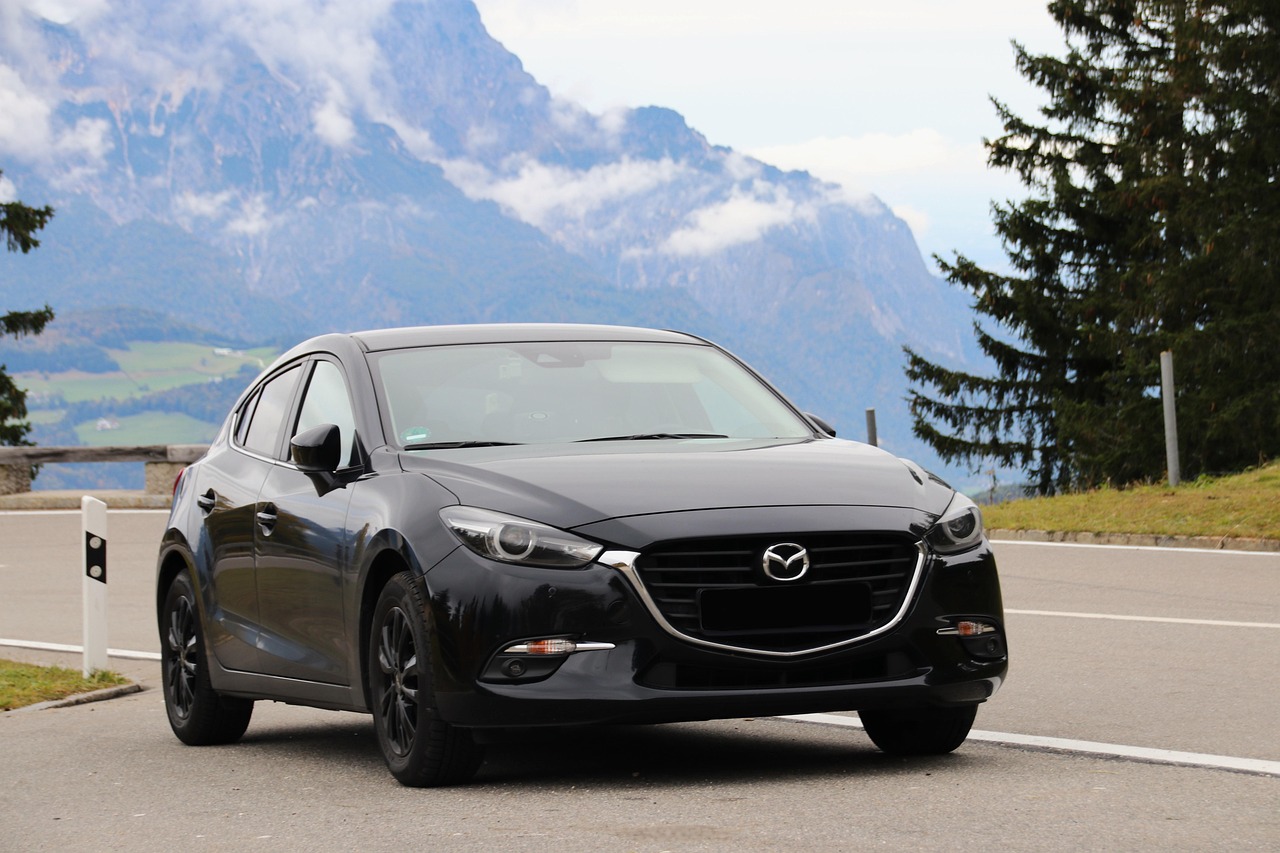
The best tires for a Mazda 3 balance the car’s sporty handling character with everyday comfort and low noise, since the Mazda 3 is engineered to feel more agile than most compact sedans and hatchbacks. That usually means a grand touring all-season or a performance all-season tire in the factory size, from brands like Michelin, Bridgestone, Continental, or Yokohama, depending on whether you drive a base sedan or a turbocharged hatchback. Below is a detailed breakdown of what to look for and which categories actually make sense for this car.

Mazda 3 Tire Requirements
Before picking a specific tire, it helps to understand what the Mazda 3 actually demands from its rubber. Mazda tuned this platform with a stiffer chassis, quicker steering ratio, and a torsion-beam or multi-link rear suspension (depending on trim) that rewards tires with predictable, linear grip. Unlike a soft-riding sedan, the Mazda 3 doesn’t hide sloppy tire behavior — vague steering feel or excessive squeal shows up quickly.
Factory sizes typically range from 205/60R16 on base trims up to 215/45R18 on Premium and Turbo trims. Larger wheels mean lower-profile tires, which sharpen handling but transmit more road noise and harshness, so trim level matters a lot when choosing a replacement. If you’re unsure what your exact size and load rating should be, check the sidewall itself; our guide to reading a tire sidewall breaks down every code so you don’t have to guess.
Speed rating is another area where owners cut corners without realizing it. Most Mazda 3 trims come with H or V-rated tires (130 mph and 149 mph respectively), and dropping to a lower-rated tire can subtly change how the car feels under hard cornering or high-speed stability, even if you never approach those speeds. For more on why this matters, see our breakdown of tire speed ratings. Finally, treadwear rating matters more here than on trucks or SUVs — Mazda 3 owners tend to keep tires 40,000-60,000 miles, so a tire with a low UTQG treadwear number will disappoint quickly.
Best Performance All-Season Tires
If you drive a Mazda 3 Turbo or simply want the sharpest handling the platform can offer without switching to a summer-only tire, performance all-season is the category to shop. These tires use softer, stickier compounds than standard all-seasons and tighter tread patterns for better lateral grip, at the cost of roughly 5,000-10,000 miles of tread life compared to a grand touring tire.
Tires worth cross-shopping in this category include the Michelin Pilot Sport A/S 4, Continental ExtremeContact DWS06 Plus, and Bridgestone Potenza Sport AS. All three deliver noticeably crisper turn-in and more confident braking than comfort-oriented tires, while still handling light snow reasonably well thanks to all-season compounds and directional tread designs. The trade-off is road noise — these tires are tuned for grip first, so expect a firmer ride and more tire hum on coarse pavement than you’d get from a grand touring option.
Common mistake: buying a performance all-season expecting summer-tire grip levels. These tires are a genuine upgrade over standard all-seasons in the dry and wet, but they’re still a compromise tire built to survive winter temperatures, so don’t expect race-tire cornering limits. If your Mazda 3 sees genuine winter weather, pair a dedicated winter set for cold months rather than relying on performance all-seasons year-round — the rubber compound stiffens below roughly 40°F regardless of tread pattern.
Best Grand Touring Options
For most Mazda 3 owners — especially those on base or Select trims driving mainly commuter miles — a grand touring all-season tire is the smarter default. This category prioritizes ride comfort, low noise, and long tread life over outright grip, which matches how most people actually use a compact sedan.
Strong choices here include the Michelin Primacy Tour A/S, Bridgestone Turanza QuietTrack, and Continental TrueContact Tour. These tires typically carry treadwear warranties in the 60,000-80,000 mile range, use noise-dampening foam or optimized tread void ratios to quiet cabin noise, and still offer respectable wet-weather grip since Mazda’s chassis tuning is forgiving enough to work well even with a comfort-focused tire.
If road noise is your biggest complaint with your current tires, it’s worth reading our list of quietest tire options for more context on what actually reduces cabin drone, since tread pattern and internal foam layers matter more than brand reputation alone. One mistake owners make is assuming grand touring tires are “boring” or unsafe compared to performance tires — in reality, a well-reviewed grand touring tire from a major brand will out-brake a worn-out performance tire every time. Tread depth and age matter more than category once you’re comparing reputable brands.
Best Budget Picks
Budget tires can be a genuinely smart choice for a Mazda 3 used mainly for commuting, especially if you plan to sell or trade the car within a couple of years. Brands like Kumho, Hankook, Firestone, and Sentury (reviewed in detail in our Sentury tires review) offer all-season tires that perform adequately in dry and light wet conditions at a noticeably lower price point than premium brands.
The Kumho Solus TA31, Firestone All Season, and Hankook Kinergy ST are reasonable examples of budget-friendly grand touring tires that still carry acceptable UTQG treadwear ratings and don’t feel dangerously outmatched by the Mazda 3’s chassis. The real compromise with budget tires isn’t outright grip — it’s consistency. Wet braking distances and hydroplaning resistance tend to fall off faster as these tires wear past 50% tread depth, so replacing them a bit earlier than a premium tire is a smart safety margin.
The biggest mistake buyers make with budget tires is assuming all cheap tires are equal. Tire quality within the budget tier varies more than in the premium tier, so it pays to check independent reviews and avoid tires with no name recognition at all, even if the price looks appealing. Also skip drastically discounted tires with unknown manufacture dates — our guide on how old new tires should be when you buy them explains why a “new” tire that’s already 4-5 years old is a false bargain.
Sedan vs Hatchback Sizing Differences
The Mazda 3 sedan and hatchback share a platform but don’t always share tire sizes across every trim, and the difference matters more than most owners realize. Both body styles offer similar base sizes like 205/60R16 or 205/55R17 on lower trims, but the hatchback’s Turbo and Premium Plus configurations often push into 215/45R18, sometimes with a slightly different wheel width or offset than the sedan’s equivalent trim.
| Body Style | Common Base Size | Common Upper-Trim Size | Ride Character |
|---|---|---|---|
| Sedan | 205/60R16 or 205/55R17 | 215/45R18 | Slightly softer, more compliant |
| Hatchback | 205/60R16 or 205/55R17 | 215/45R18 | Marginally firmer, sportier tuning |
Because the hatchback carries a bit more weight toward the rear and is tuned with a marginally sportier suspension in Turbo trims, some owners report slightly quicker tire wear on the front axle of hatchback models driven aggressively. Always verify your exact size from the tire sidewall or door jamb sticker rather than assuming your trim matches another Mazda 3 you’ve seen — Mazda has adjusted sizes across model years, and mismatched sizing can throw off speedometer accuracy and ABS calibration. If you’re ever unsure how to interpret those digits, revisit the sidewall guide linked earlier in this article.
Tips for Longer Tread Life
Getting the most mileage out of any tire on a Mazda 3 comes down to a handful of habits that are easy to ignore until wear shows up unevenly. First, rotate tires every 5,000-7,000 miles — front-wheel-drive cars like the Mazda 3 wear front tires faster due to steering and braking forces, and skipping rotations is one of the most common reasons owners replace tires early. Our tire rotation guide covers ideal intervals and patterns in more depth.
Second, check tire pressure monthly, not just when the TPMS light comes on. Mazda’s recommended pressure (found on the driver’s door jamb, not the tire sidewall) is calibrated for even wear and predictable handling; running 3-4 psi low accelerates edge wear and increases rolling resistance, quietly costing you both tread life and fuel economy. Third, get an alignment check every 12,000-15,000 miles or after hitting a significant pothole — misalignment causes feathering and inside-edge wear that no amount of rotation will fix, and it can also make the car pull to one side even when the tires themselves are fine.
Finally, watch for symptoms of imbalance, like vibration through the steering wheel at highway speeds, which accelerates tread wear unevenly if ignored. Our article on unbalanced tire symptoms covers what to look for. Rotating, balancing, and aligning on schedule routinely adds several thousand extra miles of usable tread life, which matters more on a compact sedan where owners often keep tires until they’re nearly bald.
Frequently Asked Questions
What tire size does my Mazda 3 need?
It depends on trim and model year, ranging from 205/60R16 on base trims to 215/45R18 on Turbo and Premium Plus trims. Always confirm using the tire sidewall or door jamb sticker rather than assuming based on another Mazda 3.
Are performance tires worth it on a non-turbo Mazda 3?
Generally no. Performance all-season tires make the most sense on Turbo trims where the extra power benefits from added grip. Base and Select trims usually get more real-world value from a grand touring tire’s comfort and longevity.
How long should Mazda 3 tires last?
A quality grand touring all-season tire should last 50,000-70,000 miles with proper rotation and alignment maintenance. Performance all-season tires typically wear faster, often in the 30,000-45,000 mile range, due to softer compounds.
Can I put a different tire brand on the front and rear?
It’s not recommended. Mixing tread patterns or brands front-to-rear can create inconsistent grip and unpredictable handling, especially in wet or snowy conditions, which is particularly noticeable on a chassis as balanced as the Mazda 3’s.