

A car’s handling, smoothness, ride quality, traction, and performance all depend on its tires. Choosing the right tire brand makes a real difference in how a car drives, wears, and performs in different conditions.
In this Toyo vs Hankook comparison, we break down how these two well-known tire manufacturers stack up on quality, durability, comfort, handling, tread life, and warranty coverage — so you can decide which brand fits your vehicle and driving style.
Toyo vs Hankook: Quick Comparison
| Category | Toyo | Hankook |
|---|---|---|
| Best known for | Comfort, tread durability, performance/racing heritage | Value for money, OEM fitments, wet-weather grip |
| Typical price range | Mid to premium | Budget to mid-range |
| OEM fitments | Common on trucks, SUVs, and performance vehicles | Common on Mercedes-Benz, BMW, Mini, Porsche, and other OEMs |
| Noise/comfort tech | Silent Wall / tuned tread design | Sound-dampening rubber compounds and tread tuning |
| Treadwear warranty | Generally longer on touring/highway lines | Competitive, varies widely by model |
| Best for | Drivers prioritizing comfort, tread life, and off-road capability | Drivers prioritizing value, wet traction, and OEM-matched performance |
Hankook Overview
Hankook Tire got its start in Korea in 1941 and has since grown into one of the largest tire manufacturers in the world by volume.
Known as one of the fastest-growing tire brands globally, Hankook makes tires for nearly every vehicle type — sedans, crossovers, SUVs, 4×4 off-road vehicles, and high-performance sports cars.
Hankook has been an active sponsor of motorsport events over the years, including various touring car and endurance series, and continues to supply tires for several racing championships worldwide.
Hankook’s advantage lies in its solid construction and value-for-money positioning, with tire lines that span budget-friendly passenger tires up through premium performance and light-truck options.
Notable Hankook Tires
HANKOOK Ventus V12 evo2 Tire

Ultra high performance summer tire with a wide range of sizes to fit many cars & sedans
Treadwear warranty - N/A
-Good Price / Value
-Great Ride comfort
-Excellent cornering

Hankook DynaPro HT
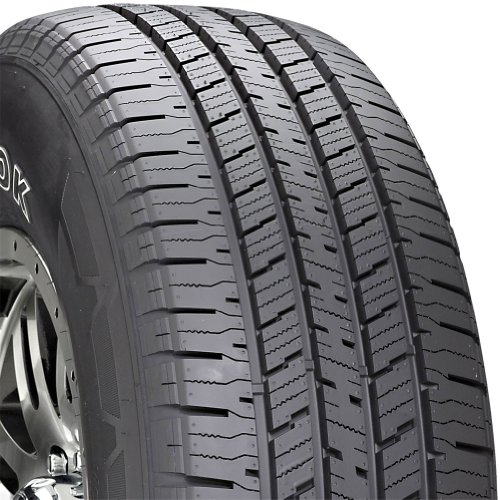
All-season tire designed for light-duty pickups and SUVs.
Treadwear warranty - 70,000
-Good Price / Value
-Great Handling
-Ease Ride Comfort
Toyo Overview
Toyo Tire traces its roots to Japan in 1945, when it started as a small manufacturer. Since then it has grown into a global player in performance, touring, and off-road tires.
Toyo relies heavily on Japanese engineering to design and manufacture a wide range of tire options for its customers.
The brand covers a broad spectrum of vehicles — from performance sports cars and drift builds to sedans, off-road utility vehicles, and light trucks.
Notable Toyo Tires
Toyo Observe GSi-6 HP tire

A performance winter/snow tire suited for sports cars, sedans, SUVs
Treadwear warranty - N/A
Toyo Tires Open Country Q/T Tires
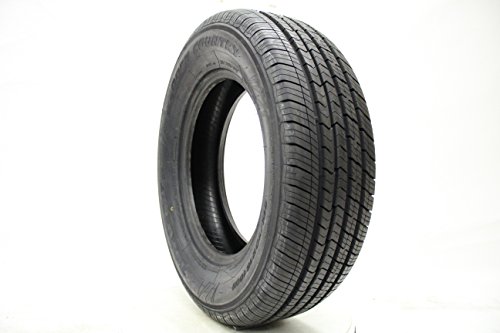
An All-season tire suited for a wide range of SUVs
Treadwear warranty - 65000
Toyo vs Hankook: Features Compared
1) Quality
Neither brand compromises on manufacturing quality. Though both make everything from budget daily-driver tires to high-performance options, the underlying construction standards remain consistent across their lineups.
Naturally, a budget tire and a premium tire from the same brand will perform differently, but the basic finishing, rubber quality, and manufacturing standards don’t differ dramatically.
Toyo has a long history in motorsport and performance tires. Building tires that hold up through a race requires excellent quality control. Hankook has a similar track record, supplying OEM tires for vehicles like the Porsche Macan and BMW X5.
2) Durability
Both Toyo and Hankook produce tires that balance performance and grip with longevity. Both brands use tire compound formulas engineered to extend usable tread life.
This is part of why both brands are seen as strong value-for-money options. Pricing between comparable models is often close, which makes durability alone a tough tiebreaker.
Both brands use reinforced tread and sidewall construction designed to resist punctures from sharp road debris.
Actual tire wear for both brands depends heavily on driving conditions, alignment, inflation pressure, and the specific compound used on a given model — not just the brand name.
3) Pricing and Value
Both brands offer tires for budget vehicles and sports cars alike, but across comparable sizes and speed ratings, Hankook tires tend to be priced somewhat lower than their Toyo equivalents.
Compare similarly sized, similarly rated tires for a sedan and you’ll typically find Hankook’s price a bit more competitive, though the gap varies by model and retailer, and it’s worth shopping current prices before assuming either brand is cheaper.
Overall, Hankook tends to offer a slightly higher bang-for-the-buck for shoppers focused on price, while still delivering comparable performance to many Toyo models in the same category.
4) Ride Comfort and Road Noise
Both brands build in technology to keep rides comfortable. Entry-level tires from either brand may skip some comfort features, while pricier lines get the full treatment.
Hankook improves comfort with damping-focused rubber compounds and tread designs tuned to reduce road noise.
Toyo has generally been regarded as slightly ahead here. Its Silent Wall technology and continually refined tread designs are aimed specifically at cutting cabin noise without sacrificing cornering grip or steering response.
5) Handling
Premium automakers such as Mercedes-Benz, BMW, Mini, and Porsche have equipped various models with Hankook tires from the factory, which speaks to the handling and stability Hankook tires can deliver.
These vehicles are often powerful, and putting that power down safely requires tires with strong, predictable grip.
Toyo has given many of its performance tires distinctive tread patterns aimed at high cornering grip and sharp steering response without giving up ride comfort. Several Toyo lines use silica-enhanced tread compounds to improve wet-weather grip and braking.
These compounds help maintain control and traction while keeping rolling resistance in check.
6) Tread Life
Tires from both Toyo and Hankook are built to be durable and generally offer decent tread life on their touring and all-season lines. Performance-oriented tires from either brand trade some tread life for extra grip, which is a normal, expected compromise.
Performance tires use softer compounds for maximum grip, so they wear faster. Daily-driver tires from both brands, on the other hand, are engineered to last much longer.
Tread design and rubber compound work together to deliver solid road grip while lasting tens of thousands of miles on the same set, thanks to ongoing R&D from both brands.
7) Off-Road and Winter Performance
Toyo has a strong reputation in the off-road and light-truck segment, with lines like the Open Country family covering everything from all-terrain and rugged-terrain use to dedicated mud-terrain tires. These tires generally feature aggressive tread blocks, reinforced sidewalls, and rock-resistant compounds built to handle gravel, mud, and rocky trails.
Hankook also offers off-road-capable lines (such as its Dynapro all-terrain and mud-terrain tires) that compete directly with Toyo’s off-road offerings, generally at a lower price point, though with a shorter track record among hardcore off-roaders.
For winter driving, both brands produce dedicated winter/snow tires with siping and cold-weather rubber compounds that stay pliable in low temperatures. If winter performance is a priority, look specifically at each brand’s dedicated winter line rather than their all-season or performance tires, since all-season tires — even “grippy” performance ones — are not a substitute for a true winter tire in heavy snow or ice.
8) Tire Warranty Coverage
Both Toyo and Hankook are established global brands that back their tires with manufacturer warranties covering defects in materials and workmanship, plus a limited treadwear warranty on most passenger and light-truck lines.
Most tires from both brands include a short trial period (commonly around 30 days or a small amount of tread wear) during which a dissatisfied buyer can get a replacement or refund, subject to the seller’s or manufacturer’s specific policy.
Treadwear warranties vary significantly by model rather than by brand as a whole. Hankook’s touring and all-season tires typically carry treadwear warranties in the range of roughly 45,000 to 80,000 miles, while performance and off-road models often carry little to no treadwear warranty. Toyo’s touring and highway all-season tires often carry similarly competitive treadwear warranties, with some lines extending further, while its performance and off-road tires typically have limited or no treadwear warranty.
Because warranty terms are set per tire model and change over time, always check the specific warranty listed for the exact tire you’re buying rather than relying on brand-wide averages.
Standout Features of Each Brand
While Toyo and Hankook overlap in many areas, a few things set each brand apart. Toyo leans toward comfort, tread longevity, and off-road capability, while Hankook tends to emphasize value and grip, especially in wet conditions.
Toyo’s investment in tread design and noise-reduction technology often puts its tires at a slightly higher price point than comparable Hankook models.
Hankook, on the other hand, focuses on delivering strong performance at a more accessible price for a wider range of budgets.
Toyo’s touring and all-season lines are also known for solid treadwear warranties on many models, which appeals to drivers prioritizing long-term value over raw performance.
Hankook tires are frequently praised for wet-weather traction, offering strong grip in rain thanks to tread designs optimized for water evacuation.
Frequently Asked Questions
Is Toyo or Hankook a better brand overall?
Neither brand is universally “better” — Toyo generally edges ahead on comfort, tread longevity, and off-road tires, while Hankook is typically the stronger choice for value and wet-weather grip. The right pick depends on your vehicle, budget, and driving priorities.
Which brand is cheaper, Toyo or Hankook?
In most comparable sizes and categories, Hankook tires tend to be priced a bit lower than equivalent Toyo tires, though pricing varies by model, retailer, and current promotions, so it’s worth comparing specific tires before buying.
Do Toyo and Hankook tires come with a warranty?
Yes. Both brands offer a materials-and-workmanship warranty and, on most touring and all-season models, a limited treadwear warranty. Coverage length varies by specific tire model, so always check the warranty listed for the exact tire you’re purchasing.
Which brand is better for off-road or winter driving?
Toyo has a longer-standing reputation in the off-road/light-truck segment with its Open Country lineup, while Hankook offers competitive all-terrain and mud-terrain options at a lower price. For winter driving, choose each brand’s dedicated winter tire line rather than an all-season or performance model.
Toyo vs Hankook: Final Verdict
Both tire giants make excellent products, so there isn’t a single overall “winner” — the right brand depends on which type of tire features matter most to you.
In practice, the decision comes down to personal priorities.
Are you after maximum performance, traction, and stability? Or are comfort, tread life, and mileage more important to you?
Both brands have plenty to offer. Weigh your driving needs and budget against the comparison above to find the better fit — and if you’re cross-shopping other brands, check out our other tire brand comparisons for more guidance.