
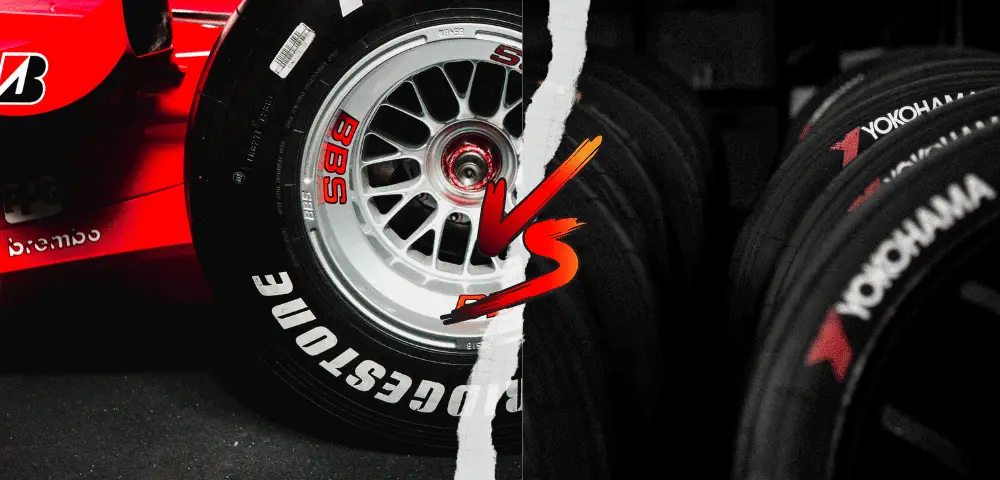
Choosing between Bridgestone and Yokohama tires comes down to what you value most: Bridgestone generally leads in traction, tread life, and overall ride refinement, while Yokohama tends to offer comparable all-season and all-terrain performance at a lower price point. Below, we break down both brands’ current lineups, compare their core features side-by-side, and answer the questions shoppers ask most.
Quick Comparison: Bridgestone vs Yokohama
| Category | Bridgestone | Yokohama |
|---|---|---|
| Best known for | Touring, highway, and light-truck tires with strong tread life | All-terrain and all-season tires with competitive value |
| Typical treadwear warranty | Roughly 50,000–80,000 miles depending on the model | Roughly 50,000–65,000 miles depending on the model |
| Price range (per tire, typical sizes) | Mid to upper-mid range | Budget to mid range |
| Dry/wet traction | Very strong, often class-leading in independent tests | Strong, especially on all-terrain and winter-ready models |
| Ride comfort/noise | Excellent, particularly on models with dedicated quiet-ride technology | Good, with noise-reducing features on touring models |
| Value for money | Good, but priced at a premium | Very good, often more affordable for comparable performance |
Note: exact warranty mileage and pricing vary by model, size, and retailer, so always confirm current figures with the manufacturer or seller before buying.
The Tire Brands
Before comparing specific models, it helps to understand where each brand comes from and what they’re known for in the tire industry.
Bridgestone Tires
Bridgestone is a Japan-based tire manufacturer that traces its roots back to the early 1930s. Over the decades it grew into one of the largest tire manufacturers in the world, later acquiring the American company Firestone to expand its global reach.
Today, Bridgestone produces tires for nearly every application — passenger cars, light trucks, heavy-duty commercial vehicles, motorsports, and even aircraft — and is widely regarded as one of the top performers in independent tire testing.
Yokohama
Yokohama Rubber Company is another long-established Japanese tire maker with roots dating back over a century. The company has a strong presence in motorsports, having supplied tires for various touring car and racing series over the years, alongside its consumer passenger, light-truck, and all-terrain lineups.
Yokohama has built its consumer reputation on all-season and all-terrain tires that balance performance with a lower price point than many premium competitors.
Now let’s compare current model lineups from both brands, and see who makes the better tire with a comfortable ride and excellent overall road performance.
Top Bridgestone Models
Here are three popular Bridgestone tires worth considering.
Bridgestone Dueler Alenza H/L Plus
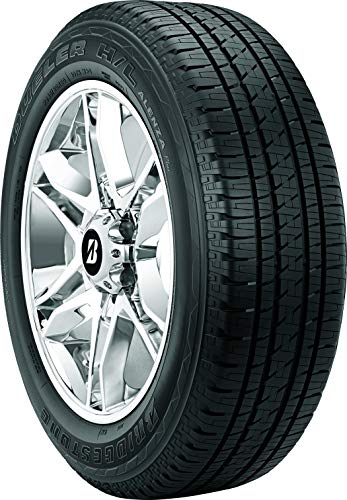

The Dueler Alenza H/L Plus is one of Bridgestone’s more durable touring options, built with a strong tread compound designed for long tread life on crossovers and light trucks.
Its compound also supports good fuel efficiency along with a smooth, quiet highway ride.
This all-season light-truck tire comes with notched shoulder blocks and a continuous center rib to boost responsiveness and stability.
Lastly, Bridgestone Dueler Alenza H/L Plus features a symmetric tread pattern and twin steel belts in its internal structure to support the tread and improve the ride.
Bridgestone Turanza QuietTrack
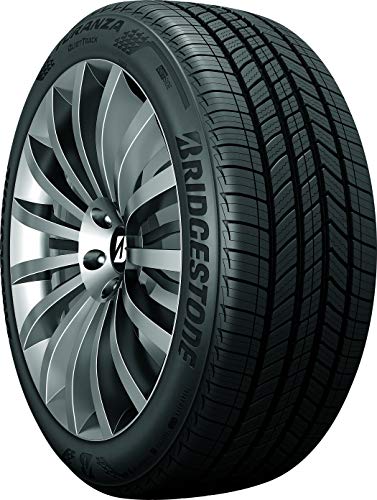
The Bridgestone Turanza QuietTrack is a grand touring all-season tire designed mainly for sedans, crossovers, and minivans, thanks to its excellent traction and noise-reducing technology.
This tire prevents a car from being noisy with its innovative QuietTrack technology, delivering a notably quiet cabin.
It also uses Bridgestone’s ComfortCruise technology for comfort and vibration reduction.
Furthermore, the Turanza QuietTrack comes with EdgePerformance technology and wide circumferential and interlocking grooves that enhance wet and light-snow traction while maintaining solid performance year-round.
Bridgestone Ecopia EP422 Plus

The Ecopia EP422 Plus is another grand touring all-season option from Bridgestone, aimed at drivers who want efficiency without sacrificing comfort.
This tire is designed for sedans and crossovers and uses Bridgestone’s low-rolling-resistance construction to help improve fuel economy.
It also comes with a symmetric tread pattern for consistent dry-road performance.
The Ecopia EP422 Plus also has four circumferential grooves to enhance wet traction, plus sipes that add biting edges for light snow.
Top Yokohama Models
Here are three popular Yokohama tires worth considering.
Yokohama Geolandar A/T
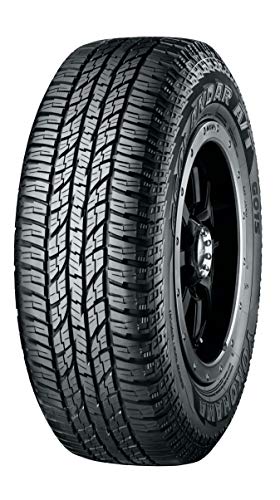
The Yokohama Geolandar is a tire designed for strength and rough performance — from paved roads to dirt trails.
It is an on-/off-road all-terrain tire with solid tread life and comes with a severe snow service certification and the 3-Peak Mountain Snowflake (3PMSF) rating.
This tire uses a durable tread compound, deep circumferential grooves for wet-condition hydroplaning resistance, and biting edges for light-snow traction.
With internally constructed high-tensile steel belts, the Yokohama Geolandar ensures stability and a smooth ride.
Yokohama AVID Ascend GT
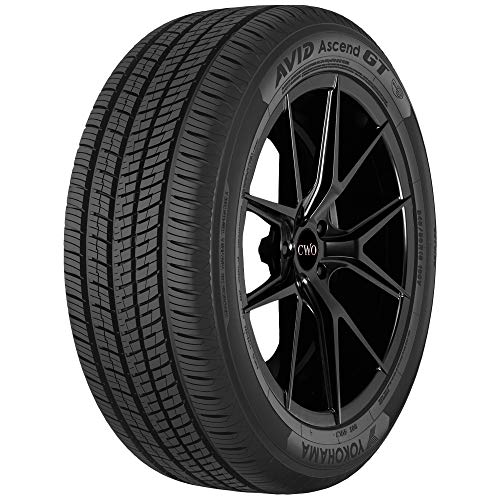
The Yokohama AVID Ascend GT is a refined touring tire built with an asymmetric tread pattern designed to hold grip in dry, wet, and light winter conditions.
This tire uses noise attenuation technology for a quieter ride and creates a stable contact patch to improve traction and even wear.
The Ascend GT also comes with a TriBlend compound and 3D sipes for durability, plus tread blocks shaped to create biting edges for snow.
Yokohama Avid Touring S

The Yokohama Avid Touring S is a grand touring all-season tire with a comfortable ride and stable handling, aimed at passenger vehicles and light trucks.
This tire is known for its symmetric tread design with sipes and multiple grooves for wet-road grip, giving drivers extra confidence in light winter weather.
Furthermore, the Avid Touring S has competitive handling thanks to a stiff, reinforced sidewall.
Lastly, it comes with noise-reducing features to help ensure a comfortable ride.
Features Face to Face
When it comes to Bridgestone vs Yokohama, several features set the two brands apart. Here’s how they stack up category by category.
Quality
Tire quality generally comes down to three criteria: safety, efficiency, and performance.
Safety depends on choosing the right tire for your terrain and season, efficiency comes down to fuel efficiency and rolling resistance, and performance depends on how well a tire matches your driving conditions.
Across independent testing and consumer feedback, Bridgestone tends to edge out Yokohama on overall build quality and consistency, particularly in touring and highway categories. Yokohama remains a strong, reliable choice, especially in the all-terrain segment, but Bridgestone generally wins this category. See our broader Yokohama brand comparison for more context.
Who’s More Durable?
Durability largely comes down to a tire’s tread compound.
Tires built with advanced, silica-based tread compounds tend to hold up longer than budget alternatives.
Between the two brands, Bridgestone models like the Dueler line typically deliver longer tread life and hold up better over time, making Bridgestone the stronger pick for durability.
Most Affordable
Price is always a factor — you want a tire that fits your budget while still performing well.
Both brands offer models across a range of price points, but Yokohama tires are generally priced lower than comparable Bridgestone models, making Yokohama the more affordable option for budget-conscious buyers.
Dry/Wet Traction
Traction refers to how well a tire’s surface grips the road, and it’s one of the most important factors in overall performance and safety.
Both brands perform well here, but in most independent tests, Bridgestone’s touring and performance lines post slightly better dry and wet traction numbers than comparable Yokohama models. Yokohama’s all-terrain and snow-rated tires, like the Geolandar, remain excellent choices for off-road and winter traction specifically.
Ride Comfort
Ride comfort depends heavily on tread design and noise-reducing technology.
Both brands deliver a quiet, comfortable ride depending on the specific tire, but Bridgestone has an edge here, particularly with the Turanza QuietTrack, which is engineered specifically to minimize road noise.
Steering Responsiveness
Traction directly affects steering feel.
Tires with strong traction typically deliver better steering responsiveness, braking, grip, and cornering.
Since Bridgestone generally leads in traction, it also has the edge in steering responsiveness — though Yokohama still offers decent handling and braking performance for the price.
Tread Wear Comparison
Along with handling, tread life is a key factor in comparing which tire will serve you longest.
Considering tread pattern design and compound quality, Bridgestone models generally offer longer tread life than comparable Yokohama options, making Bridgestone the stronger choice for high-mileage drivers.
Tire Warranty Coverage
Warranty length is another useful indicator of a tire’s expected durability.
Many Bridgestone touring models, including the Dueler line, carry treadwear warranties in the 60,000–80,000 mile range, while comparable Yokohama models typically fall in the 50,000–65,000 mile range. Always check the specific model’s warranty terms before purchasing, as coverage varies by tire line and size.
How to Choose Between Bridgestone and Yokohama
If you drive mostly on highways and want the longest tread life, quietest ride, and strongest all-around performance, Bridgestone is usually the safer bet. If you want strong all-terrain or all-season performance at a lower price, Yokohama is worth serious consideration. For off-roading or towing, compare specific models like the Bridgestone Dueler against the Yokohama Geolandar rather than judging the brands as a whole, since performance varies significantly by tire line.
It’s also worth checking current tire reviews and retailer ratings for the exact size and model you’re considering, since manufacturers periodically update tread compounds and constructions.
Frequently Asked Questions
Which Tire Brand Has the Best Finely Tuned Tread Pattern?
Bridgestone does. Its Potenza line in particular uses a finely tuned tread pattern designed for responsive steering with excellent handling and cornering potential.
Who Has the Better Winter Tires?
Yokohama’s all-terrain and touring lines, with severe snow service ratings and circumferential grooves designed for snow and slush, tend to build extra winter weather confidence into everyday tires. That said, for dedicated winter performance, both brands also offer purpose-built winter tire lines, which will outperform any all-season model from either brand.
How Long Do Tires From Either Brand Typically Last?
Tire lifespan depends more on mileage, driving habits, and maintenance than on brand alone. As a general guideline, most Bridgestone and Yokohama all-season and touring tires are designed to last somewhere between 4 and 8 years, or until the tread wears down to the legal minimum — whichever comes first. Regular rotation, proper inflation, and alignment checks can significantly extend a tire’s usable life.
Is Bridgestone or Yokohama Better for All-Terrain Driving?
Yokohama’s Geolandar line is one of the more well-regarded all-terrain options in its price range, offering solid off-road grip and snow certification. Bridgestone also makes competitive all-terrain tires, so it’s worth comparing specific models rather than the brands overall if off-road capability is your top priority.
Final Thoughts
Everyone has their own priorities when choosing tires. There are several other reputable brands in the industry too, including Michelin, Dunlop, and Toyo Tires.
If you’re deciding between Bridgestone and Yokohama, this guide should help you weigh what matters most for your vehicle and driving style — whether that’s tread life, traction, ride comfort, or price.
Overall, Bridgestone tends to lead in traction, tread wear, and ride comfort, while Yokohama offers strong value and competitive all-terrain performance at a lower price. Compare the specific models above against your budget and driving needs, and you can’t go far wrong with either brand.
For more brand comparisons, check out our guides on Bridgestone vs Continental, Falken vs Yokohama, and Continental vs Goodyear.