
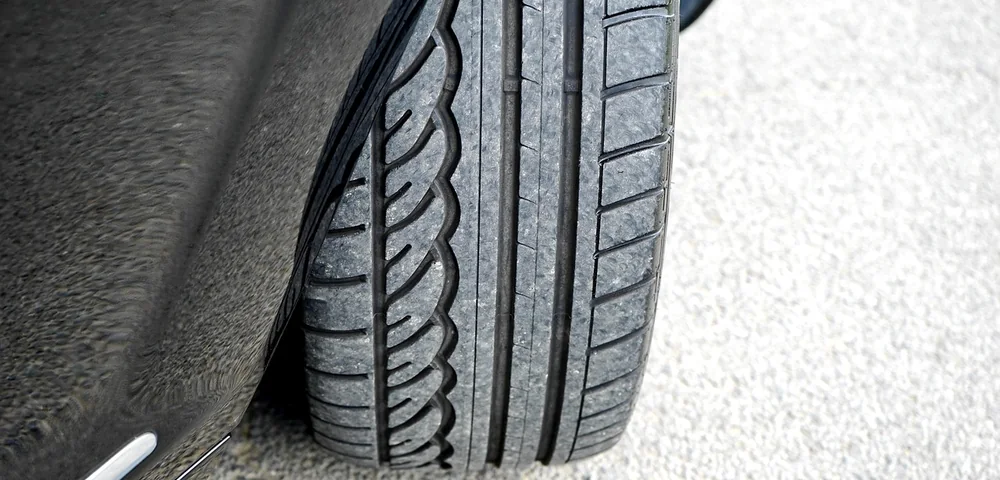
Hankook is a legitimate mid-tier tire maker that consistently punches above its price point. If you’re cross-shopping Hankook against the big names, the short answer is this: Hankook tires deliver dry and wet performance close to Tier 1 brands like Michelin or Bridgestone, at a price closer to budget brands, with the main trade-offs being slightly shorter tread life on some lines and marginally more road noise than the priciest premium options. That combination is exactly why Hankook has become a favorite among value-conscious drivers who still want confidence in the rain and on the highway.

Who Makes Hankook and Where They Sit in the Market
Hankook Tire & Technology is a South Korean manufacturer founded in 1941, making it one of the oldest tire companies still operating today. It’s currently the seventh-largest tire manufacturer in the world by revenue, with manufacturing plants in South Korea, the United States (Tennessee), Hungary, China, and Indonesia. That US plant matters more than people realize — it means Hankook builds tires specifically tuned for North American vehicles and road conditions rather than shipping over a one-size-fits-all global product.
In terms of market position, Hankook sits firmly in the mid-tier bracket, above true budget brands but below the premium trio of Michelin, Bridgestone, and Continental. Hankook also owns Laufenn, a budget sub-brand that uses some of the same engineering knowledge at a lower price point — worth a look if even Hankook’s pricing feels like a stretch. You can read our full Laufenn tire review for that comparison. Hankook also supplies original equipment tires to major automakers including Hyundai, Kia, Volkswagen, and some Audi and BMW models, which is a strong signal of manufacturing consistency and quality control, since OE contracts require passing strict durability and performance testing.
Hankook Tire Range: Main Lines and What Each Is For
Hankook’s lineup is organized cleanly by use case, which makes shopping straightforward compared to brands with overlapping or confusingly named product lines.
- Kinergy series (all-season passenger): The Kinergy GT and Kinergy ST are the volume sellers for sedans, coupes, and crossovers. These prioritize a quiet ride, fuel efficiency, and a comfortable daily-driver feel over aggressive grip.
- Ventus series (performance): The Ventus V2 and Ventus S1 Evo lines are Hankook’s summer and ultra-high-performance tires, built for drivers who want sharper steering response and higher cornering limits. These trade some tread life and wet/winter capability for grip.
- Dynapro series (SUV and light truck): Dynapro HT (highway terrain) and Dynapro AT (all-terrain) cover crossovers, SUVs, and pickups. The AT versions handle light off-roading and gravel without sacrificing too much on-road comfort.
- Winter i*cept series: Dedicated winter tires with aggressive siping and cold-weather rubber compounds for drivers in snow-belt regions.
The practical takeaway: figure out your vehicle type and priority (comfort, grip, or terrain) first, then pick the matching series rather than shopping by price alone. Someone driving a Mazda 3 for daily commuting wants a Kinergy, not a Ventus — check our best tires for Mazda 3 guide for how that logic plays out on a specific car.
Performance: Dry, Wet and Winter Grip
Dry grip on Hankook’s mainstream lines is genuinely good — the Kinergy GT and Ventus V2 both deliver predictable, linear steering response and solid braking distances that hold up well against tires costing 20-30% more. This isn’t marketing spin; it reflects Hankook’s investment in silica-based tread compounds, the same technology premium brands rely on for grip without excessive wear.
Wet performance is where Hankook has made the most visible gains over the last decade. Modern Kinergy and Ventus tread patterns use wide circumferential grooves and directional sipes designed to channel water away from the contact patch, reducing hydroplaning risk at highway speeds. In independent wet-braking tests, Hankook’s mid-tier lines consistently land in the same performance band as Continental and Yokohama equivalents — a tier below Michelin’s best wet-weather tires, but far ahead of budget-tier competitors.
Winter grip depends entirely on which line you buy. The dedicated Winter i*cept tires perform very well in snow and ice, using a compound that stays pliable in sub-freezing temperatures — a trait all-season tires simply can’t replicate no matter how good their tread design is. If you’re relying on an all-season Kinergy through a real winter, expect adequate light-snow capability but a noticeable drop-off once temperatures consistently sit below freezing. This is a physics limitation, not a Hankook-specific weakness; it applies to every all-season tire on the market.
Tread Life, Warranty and Value for Money
Tread life is the category where Hankook asks for a small compromise. Most Kinergy and Dynapro lines carry treadwear warranties in the 60,000-70,000 mile range, which is respectable but generally 10,000-15,000 miles shorter than Michelin’s top touring all-seasons. Ventus performance tires, as expected for the category, carry shorter warranties — often 30,000-45,000 miles — because grip-oriented compounds wear faster by design.
Where Hankook wins decisively is cost-per-mile. Because the upfront price is typically 20-35% lower than premium brands for a comparable tire size and category, the shorter warranty rarely erases the savings. A Kinergy GT that costs meaningfully less than a comparable Michelin Defender and lasts even 10,000 fewer miles still often comes out ahead on total cost of ownership.
Common mistake: buyers see a lower treadwear rating and assume the tire is