

Hybrid cars don’t require special tires to run safely, but tires engineered for hybrids can help you get more out of the fuel savings and quiet ride these vehicles are known for. Standard all-season tires work fine on most hybrids — the real question is whether a hybrid-specific or low rolling resistance tire is worth the (often modest) price premium for your driving habits.
With rising fuel costs and growing environmental awareness, hybrid vehicles remain a popular choice, especially for city and commuter driving. As hybrids have become more powerful, more affordable, and more mainstream, questions about how to properly maintain them — including whether they need special tires — keep coming up.
Some tire experts argue that hybrid-specific tires perform noticeably better than standard tires. Others say the performance difference is marginal and not worth the added cost, since most modern all-season tires already perform well on hybrids.
Below, we break down what actually makes a tire “hybrid-specific,” review 10 tires that work well on hybrid vehicles, and weigh the case for and against paying more for specialized options.
What Actually Makes a Tire “Hybrid-Specific”?
There’s no separate tire category regulated as “hybrid tires” the way there is for winter or all-terrain tires. Instead, tires marketed toward hybrid and EV drivers typically combine a few specific traits:
- Low rolling resistance compounds — Silica-rich rubber compounds and optimized tread designs reduce the energy needed to keep the tire rolling, which can modestly improve fuel economy or EV range. See our guide to low rolling resistance tires for more detail.
- Noise-dampening foam or acoustic layers — Because hybrids run silently on electric power at low speeds, road and tire noise is far more noticeable. Many hybrid-friendly tires add foam lining or acoustic engineering to cut down on cabin noise.
- Higher load index ratings — Hybrid batteries and electric motors add concentrated weight, so tires built for these vehicles are often rated for higher loads than a comparable tire on a conventional car. Check our load index guide if you’re unsure how to read this on your tire’s sidewall.
- Reinforced sidewalls — Some hybrid and EV-focused tires use stiffer sidewall construction to manage the extra torque and weight without sacrificing handling.
In practice, many standard all-season tires already check most of these boxes to some degree. What sets dedicated hybrid/EV tires apart is that manufacturers optimize all of these traits together, rather than prioritizing one over another.
The Best Tires for Hybrid Vehicles
There are several strong options on the market for hybrid drivers, each suited to different needs and budgets. Below is a quick comparison, followed by more detail on each tire. If you’re cross-shopping for other vehicle types, our best all-season tires guide and best tires for electric vehicles roundup may also be useful.
| Tire | Type | Treadwear Warranty* | Price Tier |
|---|---|---|---|
| Continental Tires Hybrid line | Hybrid/EV-optimized all-season | Varies by model — check current listing | Mid-range to Premium |
| Pirelli PZero All Season | Performance all-season | Varies by model | Premium |
| Fullway HP108 | Budget all-season/performance | Limited or none stated | Budget |
| Falken Ziex ZE950 | All-season | Varies by size | Mid-range |
| Michelin Primacy MXM4 | Grand touring all-season | Up to 55,000 miles | Premium |
| Michelin Defender | Touring all-season | Up to 70,000 miles | Mid-range to Premium |
| Goodyear Assurance | All-season | Up to 65,000 miles | Mid-range |
| Nokian WR-G4 | All-weather (rated for winter conditions) | Varies by size | Mid-range to Premium |
| Bridgestone Turanza Serenity Plus | Comfort-focused touring | Varies by size, typically 65,000–80,000 miles | Premium |
| Yokohama Ascend LX | Touring all-season | Up to 85,000 miles | Mid-range |
*Treadwear warranties and load index ratings vary by tire size — always confirm the specific figures for the size that fits your vehicle before buying.
1. Continental Tires Hybrid Line
Continental is a well-established manufacturer known for high-quality tires across a wide range of vehicles. Its hybrid/EV-focused tires are engineered to optimize rolling resistance and reduce noise while maintaining solid traction and handling — the combination of traits that generally defines a good hybrid tire.
2. Pirelli PZero All Season


Pirelli is another tire giant known for high-performance products across vehicle types, including hybrids. The PZero All Season is a strong choice for hybrid drivers who want sporty handling without sacrificing all-weather capability.
3. Fullway HP108 All-Season Tire

For budget-conscious hybrid owners who want a reliable, cost-effective option, the Fullway HP108 is worth a look. Fullway’s lineup covers a range of vehicle types, and the HP108 works reasonably well as an everyday hybrid tire, though it lacks some of the noise-dampening and low rolling resistance refinements found in premium options.
4. Falken Ziex ZE950 All-Season Tire
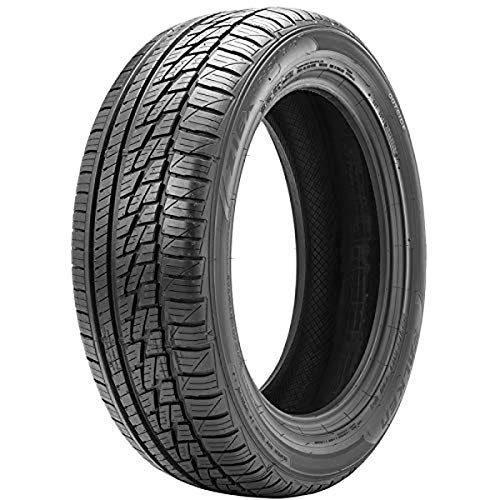
The Falken Ziex ZE950 is a popular all-season tire that performs well across many vehicle types, including hybrids. It strikes a reasonable balance between fuel efficiency, handling, and ride comfort, making it a solid option for eco-conscious drivers who don’t want to pay a premium for a hybrid-branded tire.
5. Michelin Primacy MXM4

The Michelin Primacy MXM4 delivers precise handling, strong wet-weather safety, and good longevity. Its low noise levels make it a comfortable choice for daily commutes. It’s backed by a manufacturer’s limited treadwear warranty of up to 55,000 miles and a 6-year standard limited warranty (confirm current terms with Michelin, as warranty details can change).
6. Michelin Defender
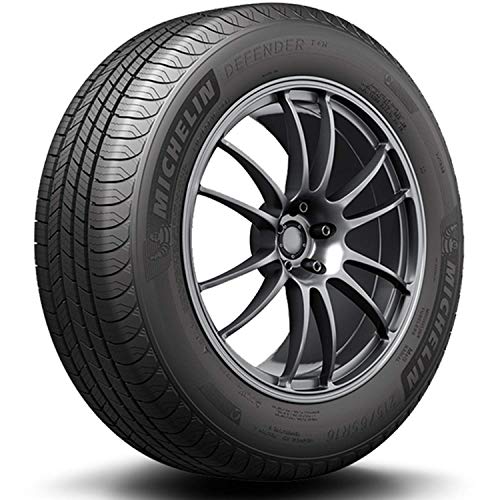
The Michelin Defender lineup uses Michelin’s Evertread compound to hold up well over high mileage. It delivers solid grip in rain and light snow, and typically carries a strong treadwear warranty (up to roughly 70,000 miles on many versions), making it a popular pick for hybrid sedans and crossovers that rack up commuter miles.
7. Goodyear Assurance
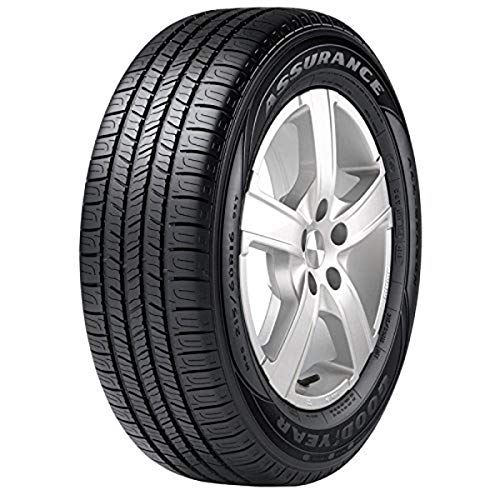
The Goodyear Assurance line offers consistent year-round performance, with multiple biting edges for traction in varied weather, wide tread grooves for wet grip, and a reasonably quiet ride. Warranty coverage of up to 65,000 miles is common across the lineup, though exact terms vary by specific model.
8. Nokian WR-G4

The Nokian WR-G4 is an all-weather tire built to handle everything from summer heat to snow, making it a good match for hybrid owners in climates with unpredictable weather. Its tread design and rubber compound are engineered to maintain grip across a wide temperature range, which is especially useful if you don’t want to swap to dedicated winter tires. See our all-weather tire guide for how it compares to other options in this category.
9. Bridgestone Turanza Serenity Plus

The Bridgestone Turanza Serenity Plus is built around comfort and quiet operation, which pairs well with a hybrid’s near-silent low-speed driving. Bridgestone’s noise-reducing tread design and comfort-tuned construction help minimize road noise, while the tire still delivers dependable wet-weather traction for daily driving.
10. Yokohama Ascend LX
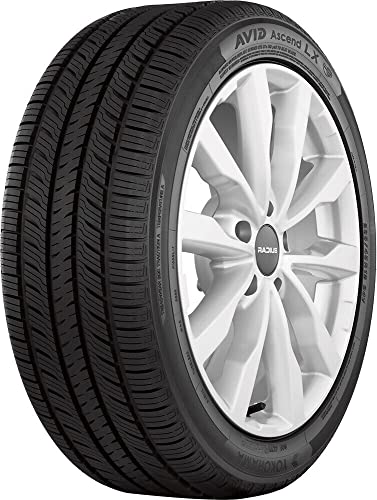
The Yokohama Ascend LX is a comfort-oriented touring tire with a treadwear warranty of up to 85,000 miles on many sizes, making it a strong value pick for high-mileage hybrid drivers. Its sipe and notch design is tuned for all-season grip, including light winter conditions, while its construction keeps road noise low.
The Hybrid Advantage: Fuel Efficiency and Beyond
Before diving deeper into tires, it’s worth understanding why hybrids have become so popular in the first place.
The most obvious answer is fuel efficiency. By combining an internal combustion engine with an electric motor, hybrids can deliver meaningfully better fuel economy than comparable gasoline-only vehicles — the exact gain depends heavily on the model, driving style, and conditions, so it’s best to check EPA fuel economy ratings for the specific vehicle you’re considering rather than relying on a single blanket percentage.
Hybrid cars are also popular because more drivers are factoring environmental impact into their purchasing decisions. Hybrid technology continues to improve, resulting in quieter, smoother rides with more capability than earlier generations offered.
Government incentives in many regions have also made hybrids more accessible, though the specifics of available tax credits and rebates change frequently — check current federal and state/provincial programs before assuming a particular hybrid qualifies.
A growing model selection, better public perception, and corporate sustainability goals for fleets have all contributed to hybrid adoption as well. With that context in mind, let’s get back to tires.
Tires: The Foundation for Any Car’s Performance
Tires are the only point of contact between a car and the road, so they play a central role in stability, handling, and safety. They also significantly affect fuel efficiency and overall ride quality — which is exactly why tire choice matters more for hybrids than it might seem at first glance. If you’re not sure how to read the numbers on your current tires, our guide to reading a tire sidewall is a good starting point.
For hybrid cars, tires play the same fundamental role as they do on any other vehicle. However, hybrids usually weigh more than their gasoline-only counterparts because of the added electric motor and battery pack — and that extra weight is often concentrated in specific areas of the vehicle.
Tires on hybrid vehicles need enough structural strength to handle that extra concentrated load while still supporting good fuel efficiency. Most standard tires hold up fine structurally but may not be optimized for the efficiency and noise characteristics that make a hybrid pleasant to drive.
This is the core reason some experts recommend hybrid-oriented tires — not because standard tires are unsafe, but because they may leave some efficiency and comfort on the table. Others argue the difference isn’t significant enough to justify a price premium. Let’s look at both sides.
The Case for Special Hybrid Tires
1. Enhanced Fuel Efficiency
One of the main arguments for hybrid-specific tires is their potential to further improve fuel efficiency. Manufacturers design these tires with low rolling resistance compounds, which reduce the energy required to keep the vehicle moving.
Industry research on low rolling resistance tires generally points to modest but real fuel economy gains — commonly cited in the low single digits to around 10% depending on the baseline tire being replaced and driving conditions, rather than a fixed universal figure. The improvement is real, but treat any specific percentage you see (including ones on this page in the past) as a rough estimate rather than a guarantee.
Even a small efficiency gain can translate into meaningful savings over the life of a tire, along with a modest reduction in emissions.
2. Improved Handling and Braking
Hybrid cars often deliver instant torque from their electric motor, allowing for quick acceleration. Tires designed with hybrids in mind provide the traction and grip needed to handle that torque and support efficient braking, which contributes to a safer overall driving experience.
3. Extended Lifespan
Regenerative braking recharges a hybrid’s battery by converting kinetic energy into electrical energy. This process changes how braking force is applied compared to a conventional vehicle, which can place different stress patterns on tires.
Tires built with hybrids in mind account for these braking characteristics, which can help maintain more even wear and a longer useful lifespan over time.
The Case Against Special Hybrid Tires
1. Cost Considerations
Hybrid-specific tires often carry a higher price than comparable standard tires. For budget-conscious drivers, this added cost may outweigh the potential fuel savings, especially since general tire technology keeps improving across the board — narrowing the performance gap between “hybrid” and standard all-season tires.
2. Limited Availability
As the hybrid market has grown, so has demand for specialized tires, but availability still varies by region and vehicle model. Some drivers may find limited options in their exact size or may need to compromise on other tire features to get a hybrid-marketed option.
3. Marginal Gains for Some Hybrids
Not every hybrid will see a significant benefit from specialized tires. Smaller hybrid models built primarily for city commuting, which already have lower power outputs, may not see much fuel efficiency improvement from a hybrid-specific tire. In these cases, the performance gains may be modest compared to the added cost.
Common FAQs on Using Special Tires for Hybrid Cars
1. How different are hybrid tires from regular tires?
Hybrid-marketed tires typically differ in rolling resistance, load capacity, and noise-dampening features rather than being a fundamentally different tire category. Selection can also be narrower than standard all-season tires, since fewer manufacturers make dedicated hybrid/EV lines.
2. Do hybrid cars wear out tires faster?
In many cases, yes. Hybrids tend to be heavier and carry more concentrated weight from the battery pack, which can accelerate tire wear compared to a similar conventional vehicle — particularly if the tires aren’t rated for the extra load.
3. Are hybrids harder on tires?
Yes, to a degree. Instant torque from the electric motor and the braking pattern from regenerative braking systems can place different demands on tires than a conventional drivetrain, which is part of why load rating and construction matter more on a hybrid.
4. Are hybrid tires more expensive?
Generally, yes — hybrid-marketed tires tend to cost more than comparable standard all-season tires due to their additional engineering and often narrower production runs. Exact pricing varies by brand, size, and retailer, so it’s worth comparing several options rather than assuming a fixed premium.
5. Can I just use regular all-season tires on my hybrid?
Yes, as long as the tire’s load index and speed rating meet or exceed your vehicle manufacturer’s requirements. Many hybrid owners get excellent results from quality standard all-season tires — see our best all-season tires guide for options that work well across vehicle types, including hybrids.
Key Takeaways
Hybrid cars remain popular for their eco-friendly profile, fuel efficiency, and cost-saving potential, along with government incentives in many regions. But their added weight and unique braking behavior mean tire choice deserves a bit more attention than it might on a conventional car.
Dedicated hybrid-specific tires can offer real, if modest, benefits in fuel efficiency, handling, and wear — largely thanks to low rolling resistance compounds, noise-dampening construction, and load ratings suited to a hybrid’s weight distribution.
That said, they’re not strictly necessary for every hybrid owner. Many drivers get excellent results from a well-chosen standard all-season tire that meets their vehicle’s load and speed requirements, especially as mainstream tire technology continues to close the gap. For help deciding, check our full tire buying guide before making a purchase.