
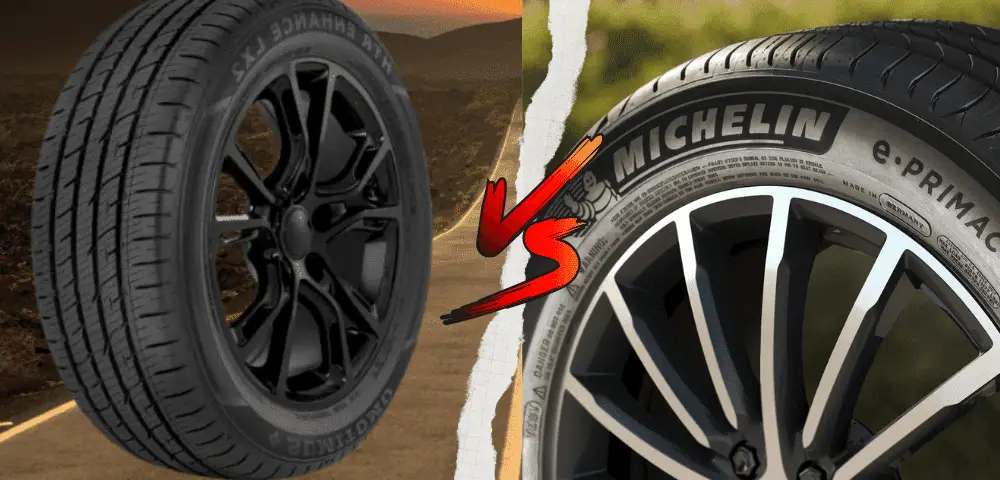
Michelin and Sumitomo sit at very different points on the price-to-performance spectrum: Michelin is a premium, France-based global leader known for long tread life and refined ride quality, while Sumitomo (parent of Falken) is a Japanese manufacturer that builds solid, budget-to-mid-range tires with a strong quality-per-dollar reputation. Neither brand is “better” outright — the right choice depends on your vehicle, driving conditions, and budget.
In this guide, we compare specific Sumitomo and Michelin tire lines side by side — including speed ratings, load indexes, UTQG treadwear scores, and approximate price ranges — so you can decide which brand fits your needs.
Sumitomo Tires: Company Overview
Sumitomo Rubber Industries is a Japanese manufacturer that has been producing tires since 1913 and became an independent company (spinning off from Dunlop’s Japanese operations) in 1963. Today it is consistently ranked among the world’s top 15 tire manufacturers by revenue, and it also owns the Falken brand, which shares some manufacturing and R&D resources with Sumitomo.
Sumitomo tires are sold primarily as a value-oriented alternative to premium brands. They typically carry lower price tags and shorter treadwear warranties than Michelin, but independent test data and owner reviews generally rate them as solid, dependable performers for daily driving.
Michelin Tires: Company Overview
Michelin, headquartered in Clermont-Ferrand, France, is one of the largest tire manufacturers in the world and is widely regarded as an industry leader in tread-life engineering, wet-weather grip, and original-equipment fitment on new vehicles.
Michelin tires consistently score well in independent testing for handling, braking, and noise levels. That reputation comes at a price — Michelin tires generally cost noticeably more than comparable Sumitomo models, though many buyers find the longer tread life and stronger warranty coverage offset the higher upfront cost over the tire’s lifespan.
Quick Comparison: Key Specs at a Glance
Exact specs (load index, speed rating, treadwear) vary by size for every model below. The figures shown reflect a common, representative size for each tire so you can compare apples to apples — always check the specific size you need before buying.
| Model | Category | Example Size | Load Index / Speed Rating | Approx. UTQG Treadwear | Typical Price Range* |
|---|---|---|---|---|---|
| Sumitomo Touring LSH | All-season touring | 225/60R16 | 98T (T = up to 118 mph) | ~500-600 | $80-$130 |
| Sumitomo Encounter HT | Highway all-season (light truck/SUV) | 245/65R17 | 107T | ~500-560 | $130-$190 |
| Sumitomo HTR Enhance LX2 | All-season touring | 235/65R17 | 104T | ~560-620 | $110-$170 |
| Michelin LTX A/T2 | All-terrain (light truck/SUV) | 275/55R20 | 113T | ~600-640 | $220-$290 |
| Michelin Pilot Sport 4S | Summer/ultra-high performance | 245/40R18 | 97Y (Y = up to 186 mph) | ~300 (max performance trade-off) | $230-$320 |
| Michelin Primacy Tour A/S (successor to Primacy MXM4) | All-season touring | 235/45R18 | 98V | ~700-800 | $180-$250 |
*Prices are approximate street-price ranges per tire and fluctuate with size, retailer, and promotions — always compare current listings before buying.
Top Models by Sumitomo Tires
Sumitomo’s lineup spans touring, highway, and all-terrain tires. Here are three of its most popular models.
Sumitomo Touring LSH


The Sumitomo Touring LSH is a grand-touring all-season tire built for sedans, minivans, and crossovers that see mostly pavement driving. In a common 225/60R16 98T size, it carries a T speed rating (up to 118 mph) and a load index of 98 (roughly 1,653 lbs per tire).
Its tread design is optimized for a quiet, comfortable ride and even wear over a long service life, making it a good fit for daily commuting rather than off-road or performance use.
Sumitomo Encounter AT and Encounter HT

The Encounter line covers both an AT (all-terrain) and HT (highway-terrain) version for pickups and SUVs. The HT variant, for example, is available in sizes like 245/65R17 107T, giving it a higher load index (107, about 2,149 lbs per tire) than most passenger tires — appropriate for the heavier weight of trucks and SUVs.
The AT version adds a more aggressive tread pattern for light off-road and gravel use, while the HT stays focused on quiet, stable highway driving with even weight distribution.
Sumitomo HTR Enhance LX2
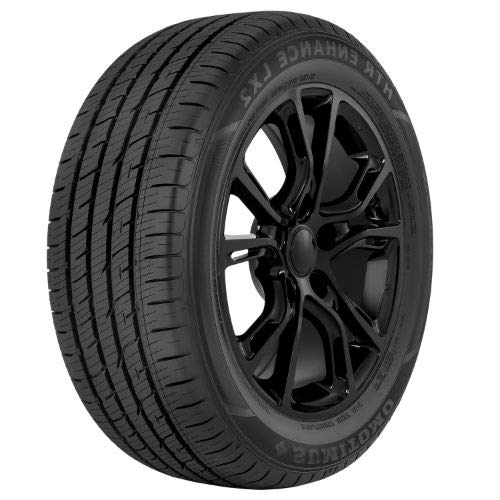
The HTR Enhance LX2 is Sumitomo’s all-season touring tire for CUVs and SUVs, commonly sized around 235/65R17 104T. It’s engineered for wet-road grip and stable handling, and it comes with a treadwear warranty that varies by size — generally in the 60,000-70,000 mile range, though buyers should confirm current warranty terms before purchase.
Owner reviews consistently point to strong value for the price, though independent test data shows it trails premium all-season tires like the Michelin Primacy line in wet braking and long-term wear.
Top Models by Michelin
Michelin’s lineup spans touring, all-terrain, and performance categories. Here are three widely available models — note that these fall into different tire categories, so they aren’t direct substitutes for one another.
Michelin LTX A/T2
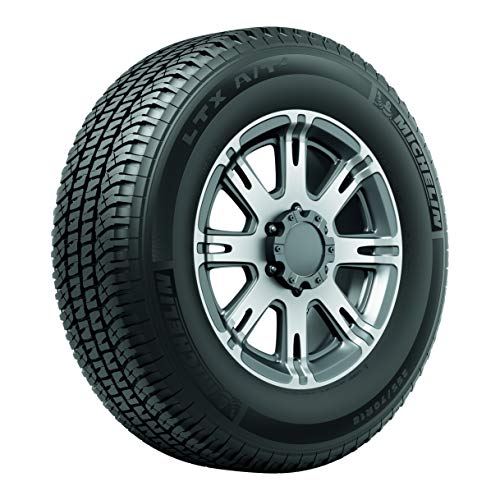
The LTX A/T2 is Michelin’s all-terrain tire for trucks and SUVs, built to handle light off-roading while remaining quiet and composed on the highway. In a 275/55R20 size, it carries a 113 load index (roughly 2,535 lbs per tire) and a T speed rating.
Independent tread-life testing consistently ranks the LTX A/T2 near the top of its category, and it’s a common factory-fit tire on new trucks and SUVs — a strong signal of its all-around durability and performance balance.
Michelin Pilot Sport (Summer/Performance Line)
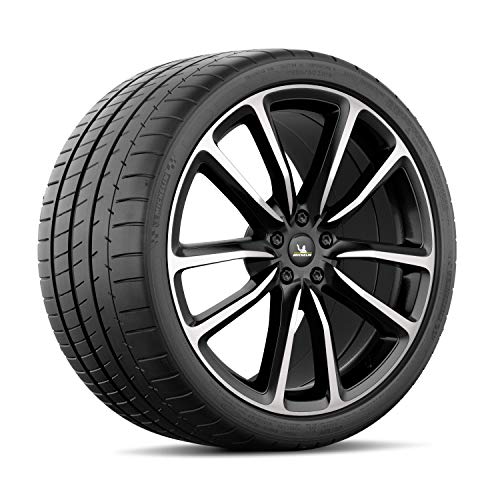
Correction for clarity: the Michelin Pilot Sport family (including the Pilot Sport 4S) is a summer/ultra-high-performance tire line, not an all-season tire. These tires use a soft, sticky compound tuned for maximum dry and wet grip at speed, which is why they typically carry high speed ratings (W, Y, or (Y)) but a relatively low UTQG treadwear score — often in the 300 range — reflecting the classic performance-for-longevity trade-off.
Because the compound firms up in cold weather, Pilot Sport tires are not recommended for winter driving — dedicated winter tires provide far better cold-weather traction. Pilot Sport tires are best suited to sports cars and performance sedans driven mostly in warm, dry-to-wet conditions.
Michelin Primacy (All-Season Touring Line)

The original Primacy MXM4 has largely been phased out of Michelin’s current lineup in favor of newer Primacy A/S and Primacy Tour A/S tires, which build on the same all-season touring formula with updated tread compounds and tread-wear warranties commonly in the 60,000-70,000 mile range.
Whichever generation you find in stock, the Primacy line is built for dry braking, wet traction, and a quiet, comfortable ride in passenger cars and crossovers — independent testing consistently rates it well against competing all-season touring tires. It’s one of Michelin’s more affordable all-season options, though still priced above comparable Sumitomo models.
Sumitomo vs. Michelin: Category-by-Category Comparison
Based on independent test data, warranty terms, and owner feedback, here’s how the two brands stack up across the factors that matter most.
Quality
Both brands make solid all-season tires, but they’re aimed at different budgets. Sumitomo’s HTR Enhance line delivers dependable wet-weather grip and a treadwear warranty at a lower price point — a strong value pick for daily driving.
Michelin’s equivalent tires, such as the Primacy line and LTX A/T2, generally score higher in independent wet-braking and wear testing, reflecting Michelin’s larger R&D investment and premium compound technology.
Durability and Tread Life
Tread life depends heavily on driving habits, alignment, and road conditions, but on average, Michelin’s touring and all-terrain tires carry higher UTQG treadwear ratings and longer mileage warranties than comparable Sumitomo tires.
Owner reviews and long-term test data generally back this up: Michelin tires tend to hold their tread depth longer, which is a major reason they cost more upfront. That said, Sumitomo’s HTR Enhance LX2 has earned a reputation as one of the more durable tires in its price bracket, closing some of the gap with pricier competitors.
Affordability
This is where Sumitomo has a clear edge. Comparable Sumitomo tires typically cost 20-40% less than Michelin equivalents (see the comparison table above), making Sumitomo a strong choice for budget-conscious drivers or older vehicles where a shorter tire lifespan is an acceptable trade-off.
If you’re shopping primarily on price without sacrificing basic safety and performance, Sumitomo is worth serious consideration.
Ride Comfort and Noise
Speed rating and tire construction both affect ride comfort — generally, higher speed ratings mean a stiffer sidewall optimized for high-speed stability rather than plushness.
For everyday comfort, Michelin’s touring lines (LTX A/T2, Primacy) are frequently praised in reviews for low road noise and a smooth ride. Sumitomo’s touring tires are competitive on comfort for the price but are generally considered a step behind Michelin’s flagship touring models in refinement.
Handling
For all-terrain and highway use, both the Sumitomo Encounter line and Michelin LTX A/T2 provide stable, predictable handling, though the LTX A/T2 generally edges ahead in independent testing for steering response and braking distance.
For pure performance handling, Michelin’s Pilot Sport line is in a different league entirely — as a dedicated summer performance tire, it isn’t a fair comparison against any all-season Sumitomo model. If you need maximum cornering grip on dry and wet pavement, the Pilot Sport family remains one of the benchmark options in the segment.
Sumitomo vs. Michelin: Which Should You Buy?
Choose Michelin if: you want the longest possible tread life, the best wet-weather performance, or a dedicated performance/summer tire, and you’re willing to pay a premium for it.
Choose Sumitomo if: you want dependable, safe daily-driving performance at a noticeably lower price, especially for an older vehicle, a secondary car, or a budget-limited tire replacement.
Neither brand is objectively “better” in every scenario — Michelin leads on outright performance, wet grip, and longevity, while Sumitomo leads on value. Match the tire category (all-season touring, all-terrain, or summer performance) to your vehicle and driving conditions first, then compare specific models within that category using the specs above.
Frequently Asked Questions
Is Sumitomo a good tire brand?
Yes. Sumitomo Rubber Industries is an established global manufacturer (also parent of Falken) with decades of experience. Its tires are generally rated as good value for daily driving, though they typically trail premium brands like Michelin in outright wet grip and tread life.
Are Michelin tires worth the extra cost?
For most drivers, yes — Michelin’s longer tread life and stronger wet/dry performance often make the cost-per-mile comparable to, or better than, cheaper tires once you account for how long the tires last. High-mileage drivers and those prioritizing safety in wet conditions benefit the most from Michelin’s premium positioning.
Is the Michelin Pilot Sport a good all-season tire?
No — the Pilot Sport line is a summer/ultra-high-performance tire, not an all-season tire. It should not be used in freezing or snowy conditions. If you need all-season or all-weather performance from Michelin, look at the Primacy or Pilot Sport All-Season lines instead.
To conclude, both Michelin and Sumitomo make competent tires, but they serve different priorities. Michelin’s engineering investment shows up in longer tread life, better wet performance, and dedicated performance tires like the Pilot Sport family. Sumitomo counters with genuinely solid, budget-friendly all-season and all-terrain options that offer strong value for everyday drivers.