
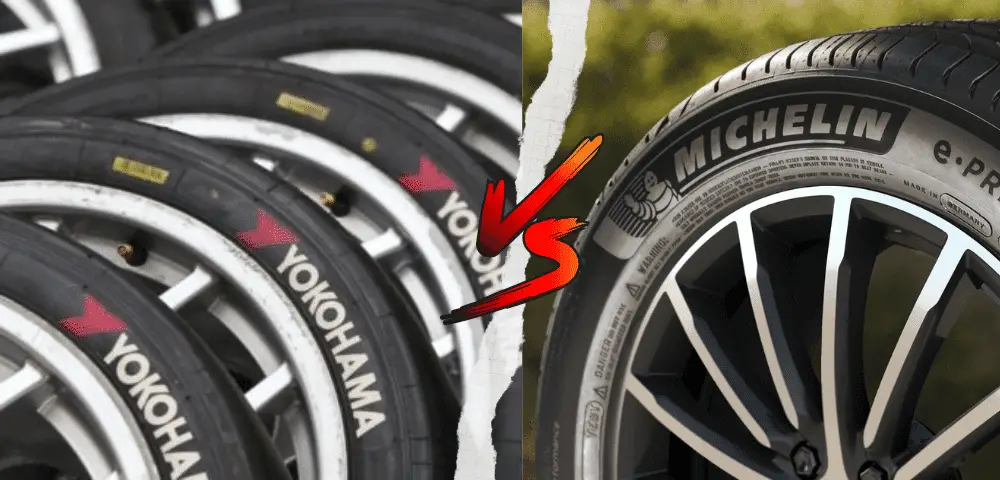
There are hardly any other tire brands out there that can compete with the global recognition and brand power that both Yokohama and Michelin possess.
Both brands are known for their excellent features, unparalleled durability, and versatile performance.
This guide compares Yokohama and Michelin all-season, touring, and winter tires head-to-head — covering quality, durability, wet/dry/winter traction, ride comfort, warranty, and price — so you can decide which brand is the better fit for your vehicle.
Yokohama vs Michelin: Quick Comparison
Before diving into the details, here’s a quick snapshot of how the two brands generally stack up. Keep in mind that exact specs vary by model and size, so always check the specific tire line you’re considering.
| Category | Yokohama | Michelin |
|---|---|---|
| Overall Quality | Excellent | Excellent |
| Price Positioning | Mid-range / value-oriented | Premium |
| Winter Traction | Strong | Good |
| Wet Traction | Good | Excellent |
| Dry Traction | Excellent | Excellent |
| Ride Comfort | Very Good | Excellent |
| Steering Response | Very Good | Excellent |
| Tread Life | Comparable | Comparable |
| Typical Treadwear Warranty | Up to roughly 60,000–70,000 miles (model-dependent) | Up to roughly 60,000–85,000 miles (model-dependent) |
Note: Warranty mileage and pricing change over time and by model, so confirm current figures with the manufacturer or retailer before buying.
A Brief Overview of Yokohama and Michelin Tires
Before we start the comparison of Yokohama and Michelin, it’s better to take a look at both contenders.
Even if you are not a car enthusiast, you must have heard of these brands and probably even use them.
Both Michelin and Yokohama are not restricted to a specific geographical location as well.
They are available worldwide and enjoy strong reputations across most major tire markets.
So, what do Yokohama and Michelin tires bring to the table? Let’s check it out.
Yokohama Tires
Yokohama has been in operation for over a century and has grown into one of the biggest names in the tire industry.
Today, the brand is one of the more sustainability-focused tire manufacturers out there.
Yokohama includes many aspects in its design philosophy to deliver a strong combination of comfort, fuel efficiency, and durability.
On a global scale, another thing that sets Yokohama apart is its price.
Despite being a well-established brand delivering performance comparable to other premium options, Yokohama tires tend to be more affordable to purchase and maintain.
Some Yokohama models that stand out in the current lineup include:
Yokohama Geolandar
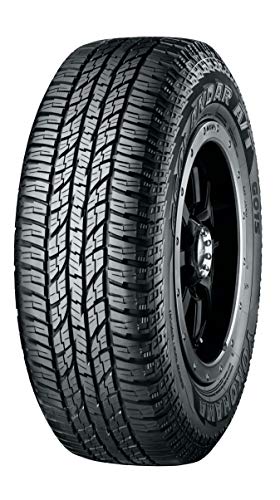

A well-rounded all-terrain option that performs well on both paved and unpaved surfaces.
A solid choice if you’re looking for something durable that can handle varying conditions.
Yokohama AVID ASCEND GT
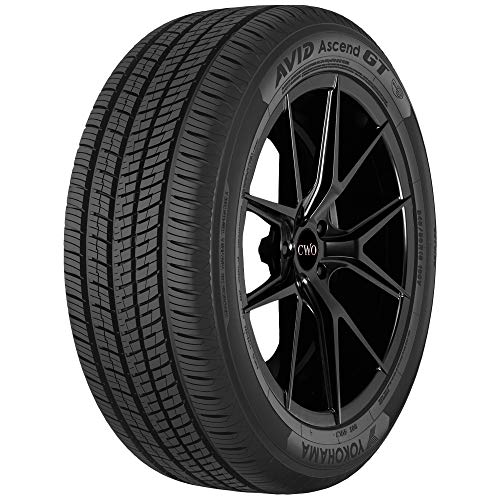
An all-season touring option designed to handle everyday driving conditions with a comfortable, quiet ride.
Yokohama Avid Touring S

An all-season option built to offer solid performance and stability while driving.
This tire category is known for its competitive handling and long tread life.
Michelin Tires
Michelin is one of the top leading tire brands out there with a global manufacturing and retail presence.
While the brand is primarily known for its tire manufacturing capabilities, it also produces high-quality automotive parts and offers roadside assistance services in select areas.
Michelin operates dozens of manufacturing plants around the world and employs a large global workforce, reflecting its scale as one of the largest tire manufacturers on the planet.
The brand has repeatedly earned industry recognition and consumer awards over the years because of its consistent performance, innovation, and durability.
Here are a few popular choices among Michelin users:
MICHELIN Defender T + H
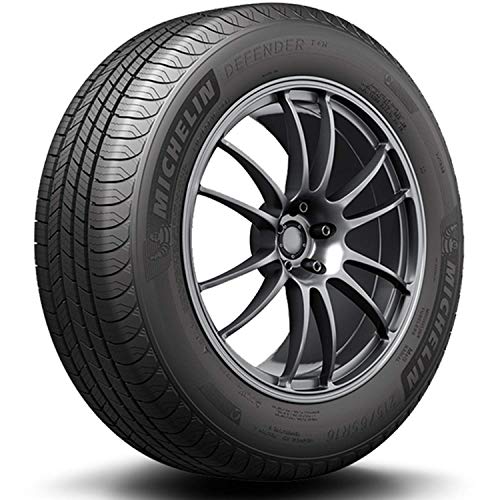
A long-lasting option that works best on paved roads. A great choice for an everyday commuter looking for a durable, quiet tire.
MICHELIN Latitude Tour HP

A safe and durable option that stands out for its wet-road performance.
MICHELIN Energy Saver

A long-lasting tire that offers greater control, reduces fuel consumption, and delivers strong longevity thanks to its premium build.
Yokohama vs Michelin: Head-on Comparison
When it comes to established brands like Yokohama and Michelin, the main problem is that they often have similar characteristics on paper.
As a buyer, you’ll naturally be confused about what to buy.
While both brands leave no stones unturned in terms of quality and performance, you should always have the right details to make an informed choice regarding your purchase.
The following sections break down how both tire brands typically perform across the categories that matter most.
Quality
Both Yokohama and Michelin maintain strict quality standards that ensure every tire approved by the brands meets a high bar for construction and materials.
From the tread compound to the sidewall structure, and everything else, both brands set a high global standard for quality control.
In this case, it’s genuinely difficult to determine a clear winner between the two.
Both have stringent checks in place and perform equally well on the road.
Therefore, we consider Yokohama and Michelin to be roughly equal in overall quality.
Durability
Since quality standards for both Yokohama and Michelin are high, it’s also hard to draw a sharp line between them on durability.
In the end, it largely comes down to the specific compound and construction used in each model.
Both Michelin and Yokohama offer a range of tire options and generally deliver strong, long-lasting performance.
The difference is in the focus.
Michelin tends to prioritize a refined, comfort-oriented ride and has a slight edge over Yokohama on this front.
That said, this often comes with a higher price tag, which is what we’ll look at next.
Affordability
As discussed before, one thing that sets Yokohama apart is the gap between its premium features and its more moderate price.
Michelin, on the other hand, maintains its premium positioning and generally carries a higher price than comparable Yokohama models.
If budget is a top priority, Yokohama is usually the more cost-effective route without a major sacrifice in performance. If you’re comparing prices against other budget-friendly brands, see our Goodyear vs Michelin comparison as well.
Winter Performance
Both Michelin and Yokohama offer models with features designed for snowy and icy conditions.
Michelin’s winter and all-season options often use an aggressive tread pattern that provides solid grip in the snow.
Yokohama’s winter-oriented models use internal siping and grooves that are tuned to improve traction and control in snowy conditions.
Comparing dedicated winter and winter-capable models, Yokohama has historically had a slight edge in snow traction.
If snow performance is your top priority, Yokohama’s winter lineup is worth strong consideration — though it’s always best to compare independent winter tire test results for the specific models you’re considering.
Dry/Wet Performance
In dry conditions on paved roads, both Yokohama and Michelin tires generally deliver comparable performance.
There may be some differences depending on the specific off-road or all-terrain model, but for standard passenger and touring tires, we’d consider both Yokohama and Michelin roughly equal on dry pavement.
Things differ more when we talk about wet-road performance.
You might assume Yokohama performs better in wet conditions given its strength in the snow, but that’s generally not the case.
Instead, Michelin tends to have the edge in wet braking and hydroplaning resistance, thanks to tread designs engineered to channel water away from the contact patch more efficiently.
Ride Comfort
When it comes to comfortable rides, Michelin is often considered a benchmark in the industry.
The brand is known for smooth, quiet operation across many of its touring and grand touring lines.
Many drivers who switch to Michelin note a noticeable improvement in cabin quietness and ride smoothness compared to their previous tires.
Steering Responsiveness
Just like other parameters, both Yokohama and Michelin perform well in handling and steering feel.
Both tires come with construction features that support a smooth ride without sacrificing responsiveness.
Both brands are responsive and relatively easy to control at normal driving speeds.
That said, there is still a modest difference in how the two brands perform in terms of steering responsiveness.
Michelin tires often edge out Yokohama slightly in steering precision. The difference is minor but can be more noticeable at higher speeds.
Tread Wear
This is another area where Yokohama and Michelin are largely comparable.
You’ll find it hard to identify a meaningful difference between the two in terms of tread wear, since both brands maintain similar quality standards across their comparable model lines.
Tire Warranty Cover
Both Yokohama and Michelin offer treadwear warranties that vary by model, generally ranging from roughly 60,000 miles on more budget-oriented lines up to 80,000 miles or more on premium touring tires.
Always check the warranty terms for the specific tire model and size you’re buying, as coverage can differ significantly between lines from the same brand.
Frequently Asked Questions
Is Yokohama as good as Michelin?
Yokohama is very competitive with Michelin in most categories, including dry traction, tread wear, and overall build quality. Michelin tends to have a slight edge in wet braking, ride comfort, and steering precision, while Yokohama often offers better value and stronger winter traction in comparable models.
Which brand is more affordable, Yokohama or Michelin?
Yokohama is generally the more budget-friendly option, offering performance close to premium brands at a lower price point. Michelin sits at the premium end of the market and typically costs more for comparable tire sizes and categories.
Which tires last longer, Yokohama or Michelin?
Tread life is comparable between the two brands overall, though it varies significantly by specific model. Check the treadwear warranty mileage listed for the exact tire you’re considering, since this is the best available proxy for expected longevity.
Are Yokohama tires good in the snow?
Yes. Yokohama’s winter and winter-capable models are known for strong snow traction, often performing on par with or slightly better than comparable Michelin winter tires. If winter driving is a priority, compare specific winter-rated models from both brands using independent test data.
Which is better for wet roads, Yokohama or Michelin?
Michelin generally performs better in wet conditions, thanks to tread designs optimized for water evacuation and hydroplaning resistance. This makes Michelin a strong pick for drivers in rainy climates.
The Verdict
So, the bottom line is that Michelin is more competitive and excellent in some aspects when compared with Yokohama.
Yokohama has some unique strengths, like winter performance and price, but is either slightly behind or roughly equal in other important functional aspects.
However, the difference between the two brands is small enough that it’s rarely a dealbreaker either way.
Buying either Michelin or Yokohama will practically give you similar real-world results, so you should go with whichever is available, better suited to your driving needs, or more economical for your budget. For more brand comparisons, check out our other head-to-head guides on the site.