
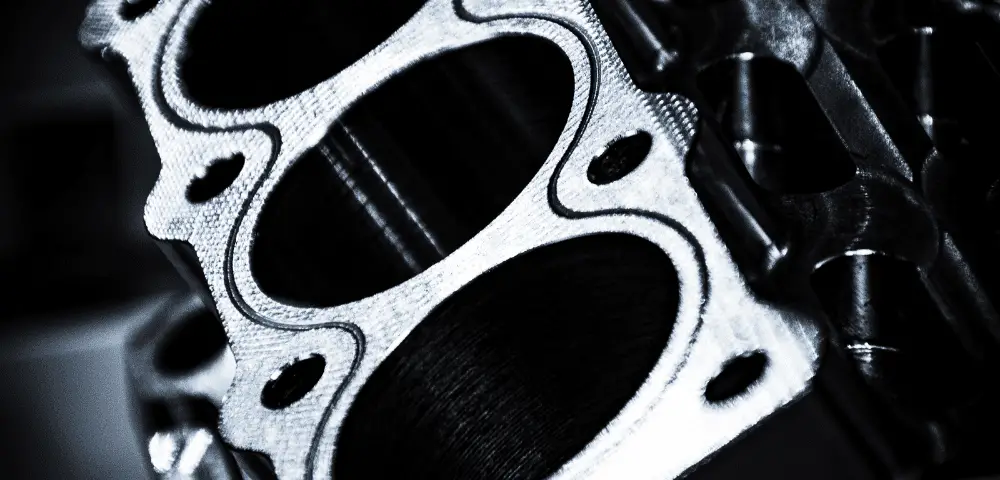
Recycling or reselling old engine blocks has become a significant niche within the broader auto-scrap industry. The value of a scrapped engine block depends heavily on the material it’s made from (aluminum vs. cast iron), its weight, its condition, and current scrap metal market prices — which change daily.
Engine make and model also play a role. A block from a European or luxury automaker may fetch more as a used part than as raw scrap, while a common domestic block is usually only worth its metal weight.
Because the answer depends on so many variables, this guide walks through how engine block scrap value is actually calculated, what a realistic price range looks like today, and how to get the most money for an old engine.
Can You Scrap an Engine Block?
Yes — engine blocks are one of the most commonly scrapped automotive parts. Nothing manufactured lasts forever, and this applies to engine blocks too.
How long a block survives depends on mileage, maintenance history, and the condition of the cylinder heads and internal components.
Scrap yards regularly take in car engines that are worn out, blown, or no longer economical to repair. Most yards will accept engine blocks made of either cast aluminum or cast iron, though they price and process each differently.
Cast aluminum blocks generally command a higher price per pound than cast iron because aluminum scrap is more valuable and easier to recycle. Cast iron blocks are still accepted almost everywhere, but they typically pay less per pound due to lower resale demand for the recycled metal.
How Much Is an Engine Block Worth in Scrap?
There’s no single fixed dollar figure for “an engine block” because scrap yards pay by weight, not by part. The math generally works like this:
- Aluminum engine blocks typically weigh somewhere between 80–200 lbs depending on the engine size.
- Cast iron engine blocks are heavier, often 150–400+ lbs.
- Scrap yards pay a per-pound rate for aluminum and a separate (usually lower) per-pound rate for iron, and that rate changes daily with commodity markets.
To get a real number, weigh the block (or estimate from engine specs) and multiply by the current per-pound scrap price in your area. Local yards, or online tools like the iScrap App or regional metal-recycling directories, publish updated per-pound rates for aluminum and cast iron and are far more reliable than any fixed price quoted in an article, since scrap commodity prices shift constantly.
As a rough sense of scale, a typical aluminum engine block usually nets somewhere in the low hundreds of dollars in scrap value under normal market conditions, while a comparable cast iron block often nets less per pound but can still add up given its greater weight. Always confirm current rates with a local yard before assuming any number.
Properly working transmission housings are usually worth more removed and sold separately rather than left attached to the block, since they can sometimes be resold as functional used parts rather than scrapped for raw metal.
Pistons, other internal components, and any attached steel hardware are typically weighed and priced separately from the block itself, since steel, aluminum, and iron all trade at different scrap rates.
Larger displacement engines — V8s in particular — tend to yield more scrap value simply because they weigh more and contain more recoverable metal, not because the V8 configuration itself is inherently more valuable per pound.
Older cast blocks can sometimes bring a slightly better price if a yard resells them as a core for remanufacturing rather than melting them down, since a rebuildable core is worth more than raw scrap metal.
How to Calculate Your Engine Block’s Scrap Value
- Identify the block material (aluminum or cast iron) — check your owner’s manual or search your engine’s model number if unsure.
- Weigh the block, or find its published weight from the manufacturer or an engine specs database.
- Look up today’s local per-pound price for that metal (call a nearby scrap yard or check an online scrap price index).
- Multiply weight by price-per-pound to get a baseline estimate.
- Get quotes from at least two or three yards, since rates can vary noticeably between businesses in the same area.
How Much Is a Blown Engine Worth?
A seized or blown engine is harder to sell at scrap yards because the internal damage limits what can be salvaged or resold as usable parts.
A blown engine usually sells for noticeably less than a running one, since much of its resale value came from being a functional unit rather than raw metal.
Even after the metal is recovered through melting or recycling, a blown engine rarely brings in as much as an intact one would have sold for as a used part.
Depending on the engine size, brand, and local demand, a whole blown engine (not just the bare block) can realistically bring anywhere from roughly $100 on the low end to several hundred dollars, and occasionally more for larger, in-demand engines sold as cores. Treat any number here as a rough guide — always get a local quote before deciding how to sell.
Prices can vary by region based on local scrap demand, the number of recycling facilities nearby, and current shipping/export costs for recovered metal.
Are Motors Worth Scrapping?
Electric motors and starter motors are usually responsible for generating the electrical current an engine needs to operate.
Scrapping a motor can be more involved than scrapping a block, since compatibility and disassembly requirements vary between vehicles.
Copper windings inside motors are valuable and often recycled separately from the housing, since copper consistently trades at a much higher price per pound than aluminum or steel.
Some motors can also be reused on a smaller scale, such as in generators or other regenerative applications, if they’re still functional.
Best Ways to Get Rid of an Old Engine
If your engine is worn out and not worth rebuilding, getting rid of it isn’t the only goal — getting a fair price for it matters too.
Before you sell, you need to know its realistic worth so you can tell whether a scrap yard’s offer is fair.
There are a few common routes for selling an old engine at a better rate:
Recycling programs process engines specifically for their raw materials, and a rebuildable core in decent condition is often worth more than pure scrap weight.
Most recycling programs break engines down into scrap components and repurpose the recovered metal into new products.
Another option is to have the engine weighed in and priced according to the actual value of its component materials.
This value is largely determined by the metal grade and whether the block is intact enough to be refurbished rather than melted down.
Some mechanics and scrap yard buyers will refurbish a usable core and resell it as a running unit rather than scrapping it for metal.
Best Selling Practices for an Old Engine
If you want to sell your old engine, you have a few options worth comparing before you commit to one.
Here’s a look at the main routes available:
Selling to a Scrap Yard
The simplest approach is to take the engine to a scrap dealer and get a quote based on current weight and metal prices.
If they offer additional deals (such as pickup service or bundled part sales), verify the terms before agreeing.
Get quotes from more than one yard — rates for the same weight and material can differ noticeably between businesses.
Selling Online
Online marketplaces let you list an engine directly to buyers who may want it as a running or rebuildable part rather than pure scrap, which usually pays more than a scrap yard quote.
Platforms like Facebook Marketplace, Craigslist, and dedicated auto-parts marketplaces are common free or low-cost options for this.
Selling by Metal Weight
Since engine blocks are usually cast from aluminum or iron, both of which have real recycling value, weighing the block and selling by metal weight is a straightforward fallback if a used-parts sale isn’t practical.
This approach won’t get top dollar, but it’s fast and nearly every scrap yard will take it.
You’re free to weigh your options — reuse, resale as a core, or straight scrap — based on the engine’s condition and how much effort you want to put into selling it.
Reusing or rebuilding an engine can be worthwhile if the damage is limited, but a seized or badly blown engine is often not worth the labor cost to rebuild.
In those cases, selling it for scrap metal value is usually the more practical choice.
Frequently Asked Questions
Is aluminum or cast iron worth more in scrap?
Aluminum typically pays a higher price per pound than cast iron. However, cast iron blocks are often heavier, so total payout depends on both weight and current per-pound rates for each metal.
Do all scrap yards pay the same price?
No. Rates vary by yard, region, and how the metal will be resold or processed. It’s worth getting quotes from at least two or three local yards before selling.
Is it better to sell an engine as a used part or as scrap?
If the engine still runs or can be rebuilt, selling it as a used part or core almost always pays more than scrapping it for raw metal weight.
Conclusion
When an old engine is no longer worth keeping, selling it online as a used part or core will typically get you more money than a straight scrap sale.
Selling it — whether online or through a scrap yard — also frees up budget for a replacement engine down the line.
Recycling programs and scrap yards are both solid options, but knowing the basics of how block material, weight, and current metal prices determine value will help you avoid leaving money on the table.